
Detention and Demurrage Explained for Shippers
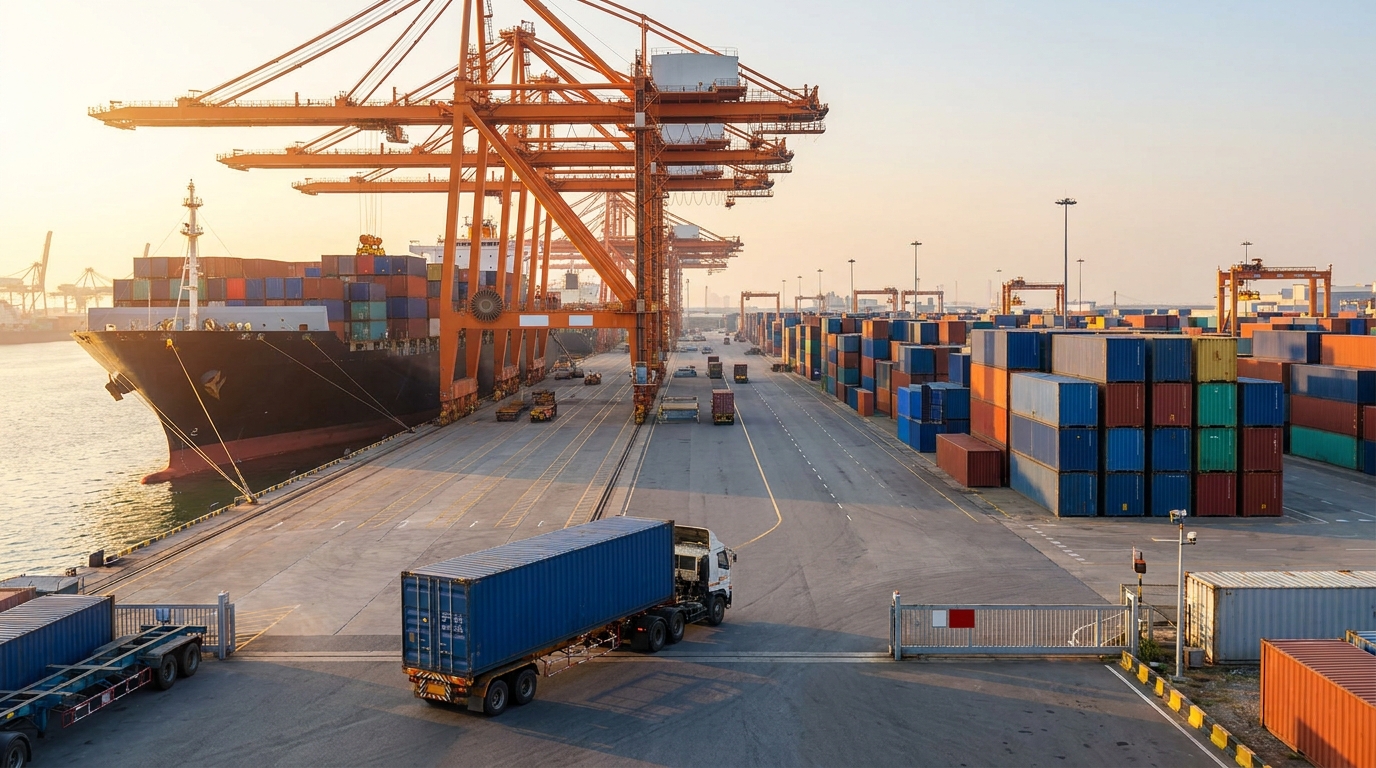
Detention and demurrage are two separate late fees that pile up on ocean containers and the equipment that moves them. Demurrage is what the terminal or ocean carrier charges when your loaded container sits inside the port beyond its free time. Detention is what you owe when you hold the carrier's equipment outside the terminal, at your dock or yard, past its free time. A third term, per diem, is the carrier's daily charge for continued use of its container or chassis. Shippers confuse the three constantly, and the confusion is expensive, because the clocks run in parallel and the daily rates escalate.
Key takeaways
- Demurrage is billed for a container sitting inside the terminal past free time; detention is billed for equipment held outside the terminal past free time.
- Per diem is the carrier's daily charge for use of its container or chassis beyond free time, and it overlaps heavily with detention.
- Free time is a fixed number of days that varies by port and carrier, and the clock usually starts when the container is discharged or available, not when you pick it up.
- The consignee or importer named on the bill of lading is typically billed, often through a forwarder or drayage carrier.
- Fast unloading, drop-and-hook moves, appointment discipline, and prompt dispute review are the levers that cut these charges the most.
What are detention, demurrage, and per diem? · What is free time and how does the clock start? · How do the charges accrue and escalate? · Who gets billed? · How can shippers reduce these charges? · Can you dispute the charges? · A worked example
What are detention, demurrage, and per diem?
These are three distinct charges separated by where the container is and whose asset is idle. Demurrage covers cargo still inside the port; detention covers equipment out on the street; per diem covers rental of the carrier's box or chassis.
Demurrage is the charge for a full container that remains inside the terminal beyond the free time you are allowed to retrieve it. Once the container is available and the free days lapse, demurrage accrues per container per day until you pull it out. It is essentially rent for occupying terminal space.
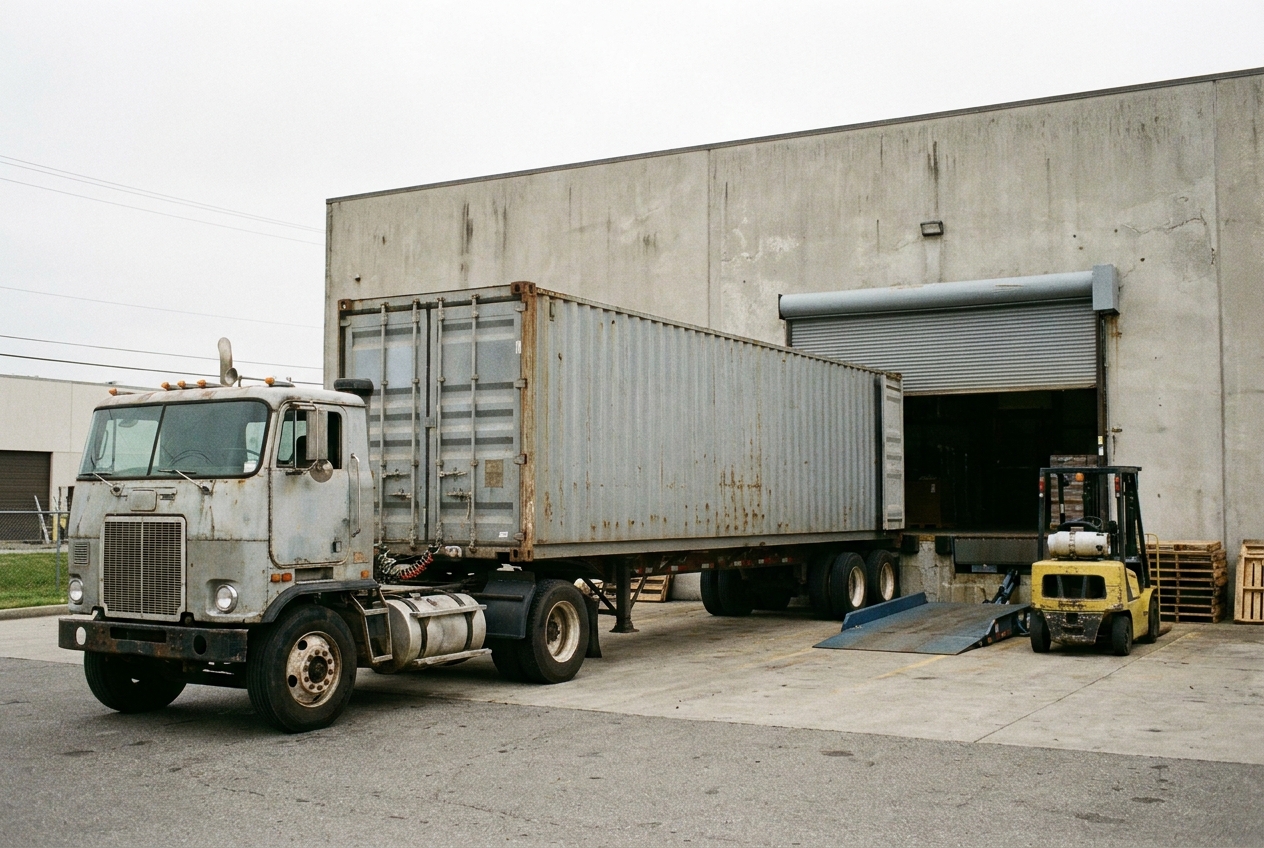
Detention is the charge for holding the carrier's equipment outside the terminal past free time, typically while a loaded container waits to be unloaded at your facility or an empty waits to be returned. The container has left the gate, so you are now holding an asset the carrier wants back in circulation.
Per diem is the ocean carrier's daily fee for continued use of its container or chassis beyond free time. It overlaps with detention, and many carriers fold the two into a single per-day equipment charge. Because per diem follows the equipment itself, a chassis you hold too long can generate it even after the cargo is gone, a common surprise in drayage moves where one trucker handles the box, the chassis, and the empty return.
| Charge | Where it applies | Who charges it | What the clock measures |
|---|---|---|---|
| Demurrage | Inside the port or terminal | Terminal or ocean carrier | Time the full container occupies terminal space past free time |
| Detention | Outside the terminal (your site) | Ocean carrier | Time you hold the equipment out on the street past free time |
| Per diem | Anywhere the equipment is in your custody | Ocean carrier | Days you use the carrier's container or chassis past free time |
What is free time and how does the clock start?
Free time is the set number of days you are given, at no per-day charge, to move a container or return equipment before demurrage, detention, or per diem begins. It varies by port, terminal, and carrier, and it is negotiable on volume contracts.
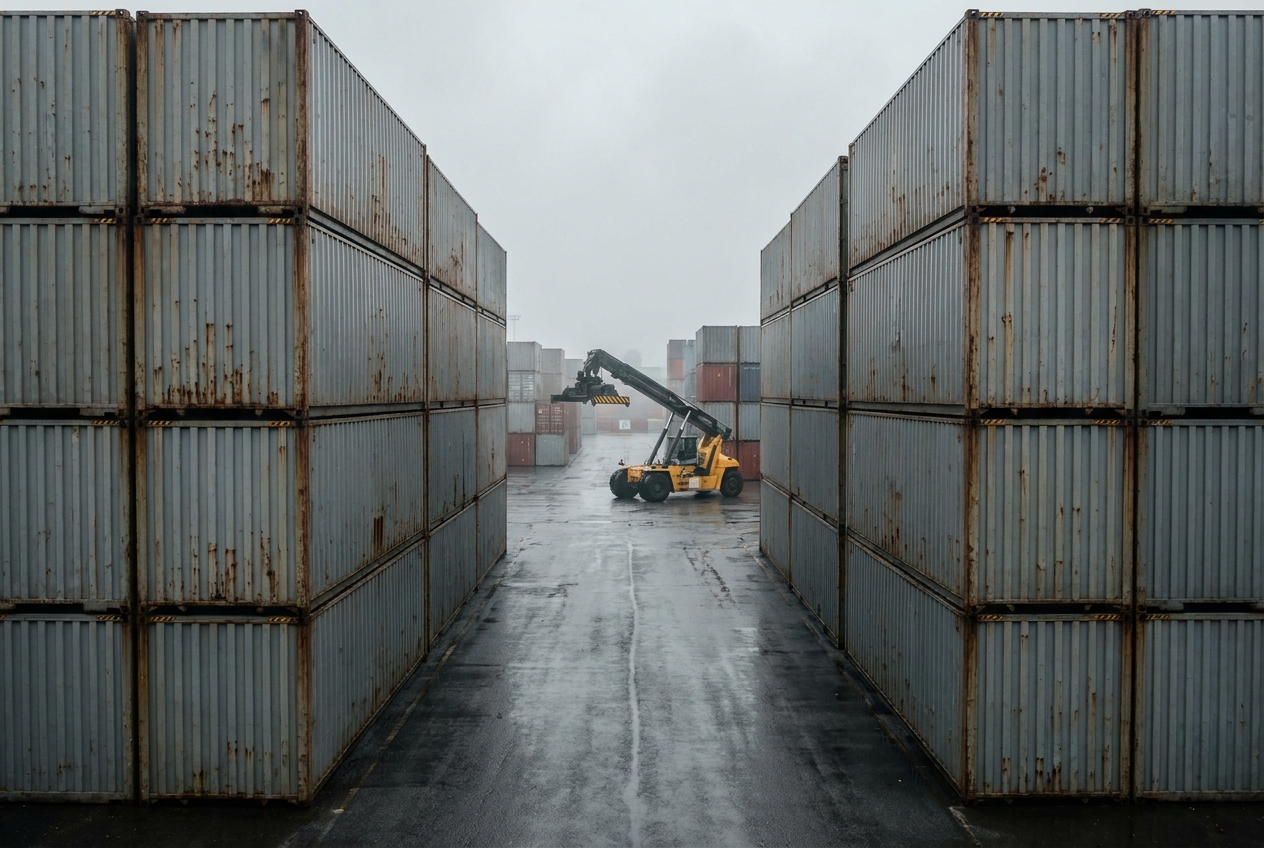
Demurrage free time usually starts when the container is discharged from the vessel and made available for pickup, not when you actually collect it. That detail trips up importers: the clock can be running while the box is still buried in a stack or waiting on a customs hold. Detention free time typically starts when the loaded container leaves the gate and runs until you return the empty.
Because free time is often just a handful of business days, a container that discharges before a long weekend can burn most of its allowance before you book a trucker. Confirm whether it counts calendar or working days, and pull the exact figure from your arrival notice or ocean contract. A customs hold can stall pickup entirely, so knowing the entry process at U.S. Customs and Border Protection helps you anticipate delays that eat free time.
How do the charges accrue and escalate?
Charges accrue per container per day once free time lapses, and most carriers use tiered rates that climb the longer the equipment is held. A typical structure charges one daily rate for the first few days past free time, a higher rate for the next few, and a higher rate again beyond that.
Demurrage and detention are billed separately, so one container can rack up both: demurrage while it waits inside the port, then detention once you pull it and hold it too long at your dock. Chassis per diem can stack on top if you keep the chassis after returning the box.
A worked example
Say an import container discharges Thursday with four calendar days of demurrage free time. A customs exam holds it until the following Wednesday, so it sits two days past free time, accruing two days of demurrage. Your drayage carrier pulls it Wednesday, but your warehouse cannot unload until Monday because of an appointment backlog. If detention free time was three days, you are now into detention, plus any per diem on the chassis. One delayed box has quietly generated three separate day counts. Planning how much a container holds and how fast you can turn it is easier with a container load calculator before it arrives.
Who gets billed?
The party named on the bill of lading, usually the importer or consignee, is typically billed. Those charges frequently pass through a freight forwarder or drayage carrier, so the shipper or receiver ultimately absorbs them even when another party fronts the invoice.
This matters when you outsource. A drayage provider that pulls your container may pay the terminal first and then invoice you, and an international freight partner may bundle these fees into a single landed statement. Ask up front who fronts the charge, who reviews it, and whether disputable fees are passed straight through or contested for you. If the forwarder and customs broker roles are unclear, the guide to a customs broker versus a freight forwarder clarifies who is responsible for what.
How can shippers reduce these charges?
You reduce detention and demurrage by shortening the time equipment is idle and by attacking the delays that cause it. The biggest wins come from moving faster at the dock and from disciplined scheduling, not from negotiating rates alone.
- Unload fast and prioritize live containers. Treat inbound boxes as a clock already running and clear them ahead of less time-sensitive work.
- Use drop-and-hook. Dropping the loaded container and letting the driver leave, instead of holding the truck for a live unload, shortens the equipment turn.
- Have a chassis strategy. Chassis shortages and split billing are a frequent source of per diem; know whether you are on carrier, pool, or owned chassis and return them promptly.
- Keep appointment discipline. Missed or late terminal and warehouse appointments are a leading cause of avoidable demurrage; book early and confirm.
- Pre-pull when free time is tight. Pulling the container to a yard before free time expires converts looming demurrage into a controllable storage cost.
- Monitor container availability. Watch the terminal for the moment the box is available so you dispatch a trucker the same day instead of losing free days.
- Review every invoice. Audit charges against gate and appointment records and dispute anything caused by congestion or unavailable equipment.
For import-heavy programs, staging cargo through a nearby facility can also help; see how transloading works to move freight out of marine containers quickly and return equipment sooner.
Can you dispute the charges?
Yes. Detention and demurrage tied to conditions outside your control, such as terminal congestion, appointment scarcity, or equipment that was not actually available, can often be disputed and reduced. The key is evidence and speed.
Keep gate in and out timestamps, appointment confirmations, terminal availability screenshots, and empty-return receipts. When a charge lands, match it against those records and file the dispute within the carrier or terminal window, which is often short. Document patterns too: if a terminal repeatedly bills demurrage while showing containers unavailable, that record strengthens your next contract negotiation. It is worth comparing providers who handle this well, and you can start by browsing vetted drayage companies that manage the dispute process for their customers.
Frequently asked questions
What is the difference between detention and demurrage?
Demurrage is charged when a container sits inside the port or terminal beyond its free time. Detention is charged when the equipment is held outside the terminal, such as at your warehouse, beyond free time. In short, demurrage is measured inside the gate and detention outside it.
What is per diem in ocean shipping?
Per diem is the ocean carrier's daily charge for the continued use of its container or chassis beyond the free time allotted once the equipment leaves the terminal. It overlaps heavily with detention, and some carriers combine the two into a single per-day equipment charge on the invoice.
How much free time do you usually get?
Free time varies by port and by carrier, but demurrage free time commonly runs a few business days after the container is available, and detention free time is often a handful of days after the container leaves the terminal. Always confirm the exact allowance on your contract or arrival notice.
Who pays detention and demurrage charges?
The party named on the bill of lading, usually the importer or consignee, is typically billed. Those costs are often passed through by a freight forwarder or drayage carrier, so the shipper or receiver ultimately pays even when another party fronts the invoice.
Can you dispute detention and demurrage charges?
Yes. Charges tied to terminal congestion, appointment shortages, or unavailable equipment can often be disputed. Keep gate timestamps, appointment records, and empty-return receipts, and file the dispute promptly within the carrier or terminal window.
Does demurrage still accrue on weekends and holidays?
It depends on how the tariff defines free time. Some carriers count only business days, others count calendar days including weekends and holidays. Check whether your free time is stated in calendar or working days, since that changes the deadline significantly.
Ready to compare providers?
Search the directory by service and location, save options to your shortlist, and send a clear RFQ.
Related guides
Accessorial Charges Explained: LTL Fees to Expect
A plain-English guide to accessorial charges in LTL freight: what each fee means, what triggers it, and how to keep surprise charges off your invoice.
LTL vs FTL Shipping: How to Choose
A shipper's guide to choosing between LTL, volume/partial LTL, and FTL freight based on pallet count, weight, cost, transit time, and damage risk.
What Is Drayage? Costs, Process, and Providers
Drayage is the short-haul trucking move that carries an ocean or rail container between a port or rail ramp and a nearby warehouse, transload, or yard.