
What Is Drayage? Costs, Process, and Providers
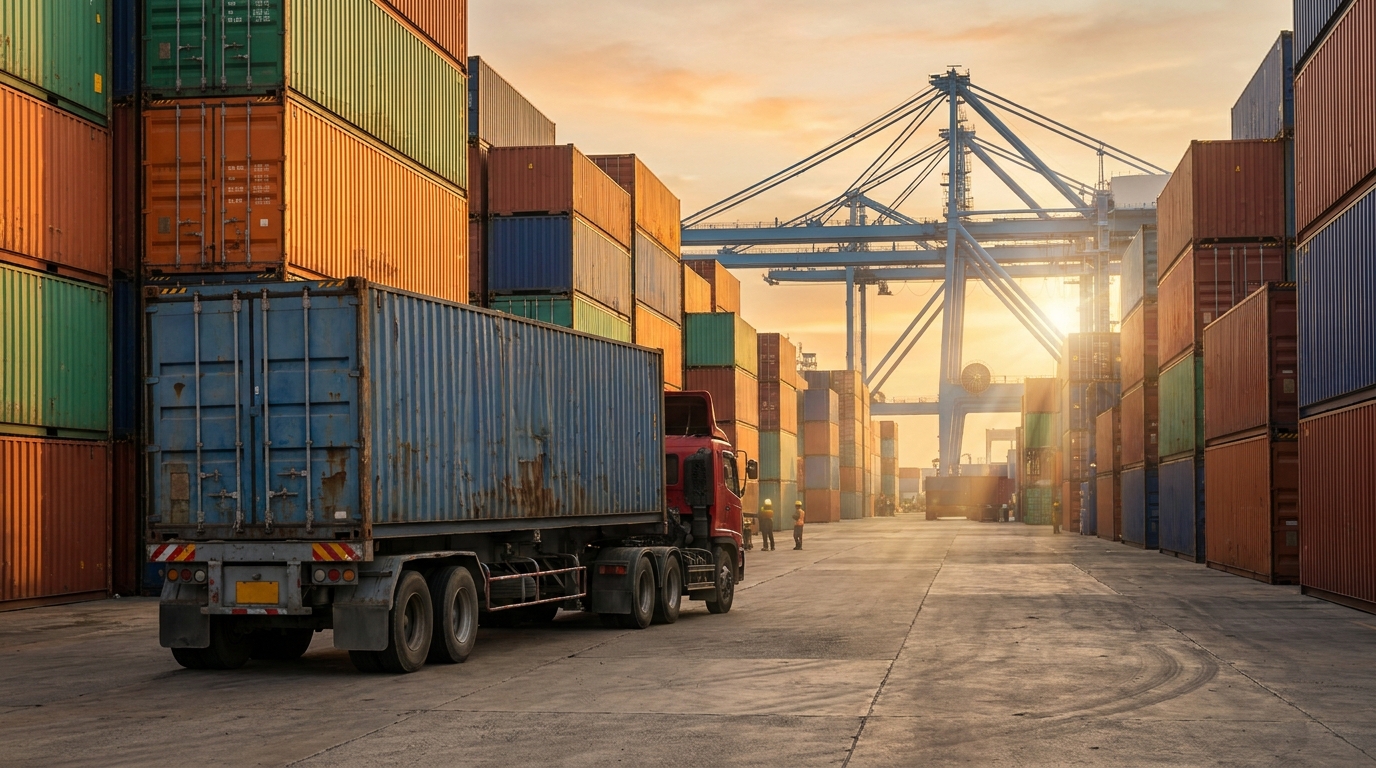
Drayage is the short-distance trucking move that carries an ocean or rail container between a port or rail ramp and a nearby facility, usually a warehouse, transload center, or another rail yard within the same metro area. It is the first or last inland leg of a container's journey, rarely more than a few dozen miles, yet one of the most schedule-sensitive and fee-prone parts of international and intermodal shipping. Get it wrong and a container that crossed an ocean on schedule can rack up daily charges sitting a mile from the dock.
Key takeaways
- Drayage is the short-haul container move between a port or rail ramp and a nearby warehouse, transload, or yard, not a long-distance line haul.
- Every drayage move needs a chassis, and how the chassis is sourced drives a large share of the cost and the delays you see.
- Base rate plus fuel and chassis is only the starting price; accessorials such as pre-pull, detention, demurrage, and per diem are where drayage bills balloon.
- Free time is the clock that matters most: demurrage runs at the terminal, per diem runs once the box is in your possession.
- The right provider is defined by port coverage, chassis strategy, capacity, live tracking, and the ability to handle bonded, overweight, and hazmat containers.
What drayage means | Types of drayage | The process step by step | Chassis and why it matters | Free time, demurrage, and per diem | What drayage costs | Accessorial charges | Choosing a provider | A worked example | Drayage, intermodal, and transload
What does drayage actually mean?
Drayage is the movement of a shipping container over a short distance, typically between a marine port or rail intermodal ramp and a nearby destination. The word predates trucking, once describing goods hauled a short way by dray, a low horse-drawn cart. Today it is the same idea with a tractor and a chassis: a container comes off a vessel or train and travels a short hop to where its contents are unloaded, stored, or transferred to another mode.
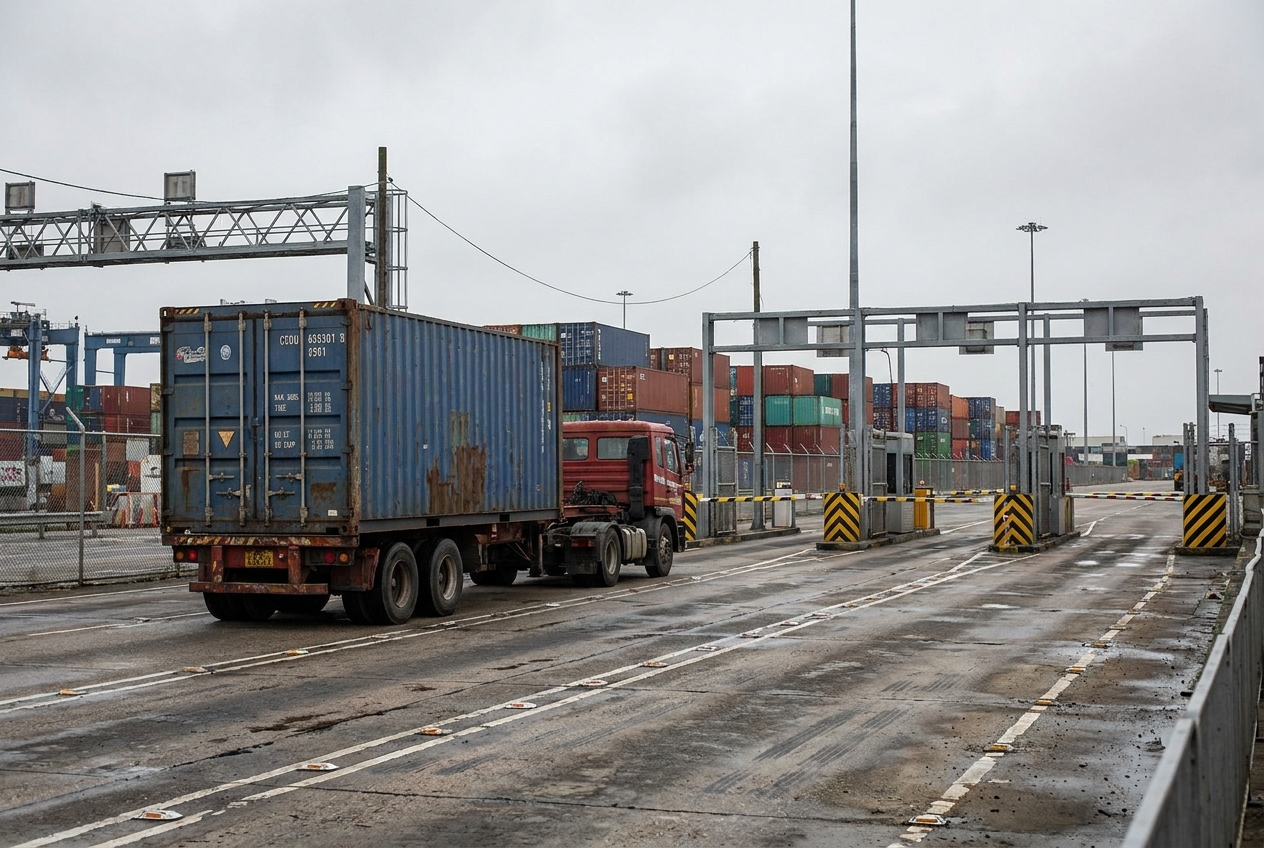
What sets drayage apart from ordinary truckload freight is not the distance but the object being moved. A drayage carrier hauls a sealed intermodal container, so it needs a chassis, an appointment to enter the terminal, and it works against strict deadlines for returning the container and chassis. Those constraints, not mileage, make drayage its own discipline. You can browse carriers that specialize in it on the drayage provider category.
What are the main types of drayage?
Drayage is categorized by where the container is going and what stage of the trade it is in. The common types overlap, and a single container can involve more than one.
Import and export drayage
Import drayage moves an inbound container from the port to an inland facility after the vessel discharges it. Export drayage runs the other way, carrying a loaded container from the shipper or warehouse to the port before the cutoff. Import moves live and die by free time and customs release; export moves by the terminal cutoff and earliest-receiving date.
Pier, door, shuttle, and inter-carrier
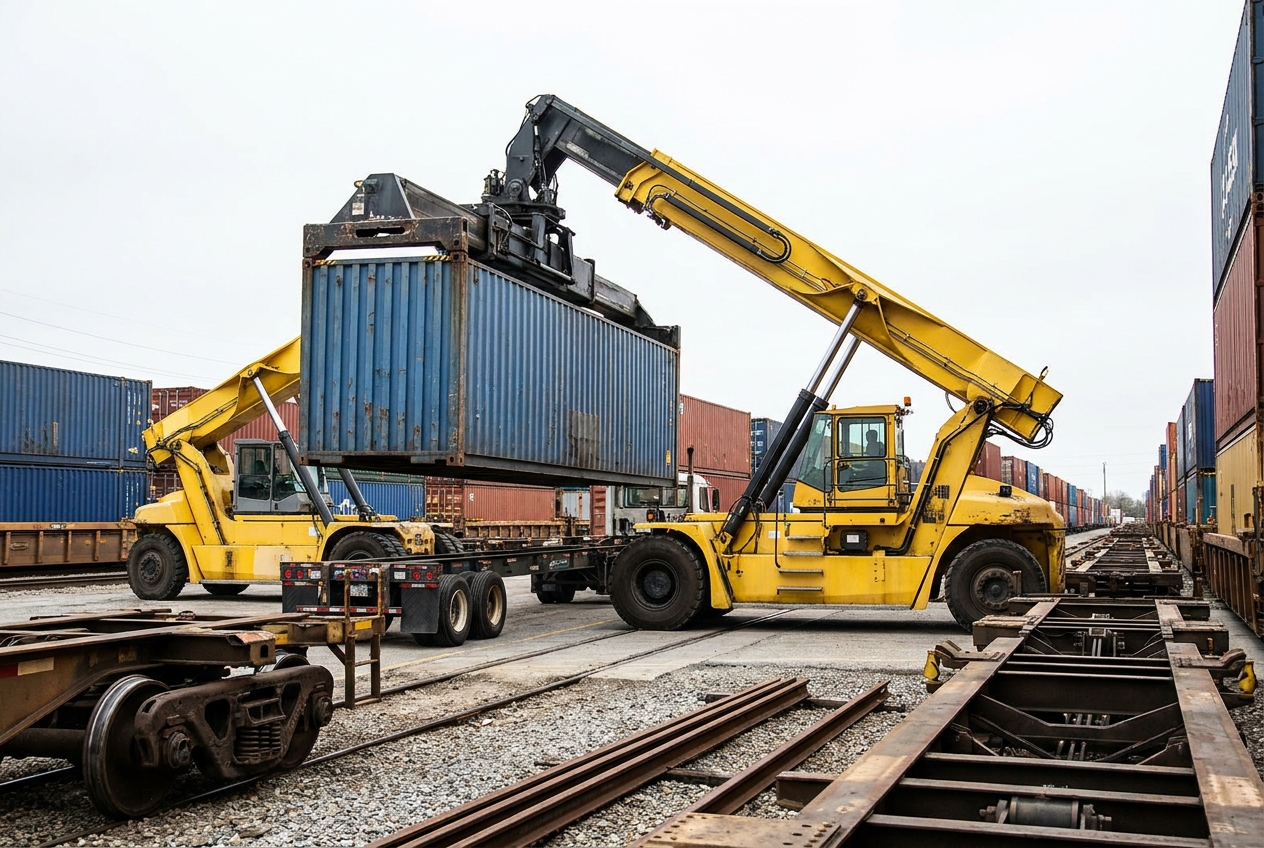
Pier drayage moves a container to or from the terminal directly. Door drayage takes it all the way to the customer's warehouse. Shuttle drayage relocates containers between terminals, yards, or an overflow lot to free up space, often before the cargo reaches its final destination. Inter-carrier drayage transfers a container between two carriers or modes, for example from a marine terminal to a rail ramp so the box can continue inland by train.
Expedited drayage
Expedited drayage prioritizes speed over cost, used when a container is time-critical or when demurrage and per diem are accruing faster than a premium move would cost. It usually means a dedicated pull as soon as the container is available.
How does the drayage process work step by step?
A drayage move is a sequence of gates and clocks, and missing any one turns a routine pull into a fee event. Here is the typical import flow.
- Container availability. The container must be discharged and any customs and terminal holds released before pickup. A box physically on the ground is not always available; a single unresolved hold blocks the pull.
- Appointment. Most major terminals require a booked appointment for a specific window. Securing a slot can be the hardest step at a congested port.
- Chassis. The tractor needs a chassis under the container. Depending on the port, it comes from a pool, the ocean carrier, or the trucker's own fleet, and may have to be picked up separately.
- Gate in and gate out. The driver enters the terminal, is matched to the container, and exits the gate with the loaded box on the chassis. The gate transaction starts the per diem and detention clocks.
- Delivery. The container is driven to the warehouse, transload, or rail ramp and either live-unloaded while the driver waits or dropped for later unloading.
- Return of the empty. After unloading, the empty container and chassis must be returned to a designated location before per diem and chassis charges stop. Finding an open return location can be its own bottleneck.
Export drayage runs the sequence in reverse: source an empty, position it at the shipper for loading, then deliver the loaded container before the documentation and cargo cutoffs. If you are planning how a container should be packed before any of this begins, the container load calculator estimates how much fits in a standard box.
What is a chassis, and why does it matter so much?
A chassis is the wheeled steel frame that lets a truck carry an intermodal container over the road. Containers have no wheels, so no chassis means no move. That makes chassis sourcing one of the biggest drivers of drayage cost, delay, and frustration.
There are three common chassis models: a pool model, where chassis are shared through a neutral provider and billed per day of use; a carrier-supplied model, where the ocean line provides it; and a motor-carrier model, where the trucker brings its own. Each shifts cost and control differently, and at a busy port a chassis shortage can strand a container even when a truck is available.
A related complication is the chassis split, an extra charge and delay that occurs when the chassis is stored apart from the container, forcing a separate trip to fetch it before the pull. A provider's chassis strategy tells you a lot about how reliably it will move your freight.
How do free time, demurrage, and per diem work?
Free time is the grace period during which a container can sit without penalty; once it expires, the meter runs. Understanding the three related clocks is the single best way to control drayage cost.
Free time is the set number of days a container may remain at the terminal, or stay in your possession, before charges begin. The terminal and the ocean carrier grant it separately, and the two windows are not the same length.
Demurrage is charged by the marine terminal or rail ramp when a loaded inbound container sits inside the facility past its free time. It is the fee for occupying the terminal's ground.
Per diem, often called detention in the intermodal context, is charged by the ocean carrier when you hold the container and chassis out past the allowed free days. One clock runs inside the terminal, the other once the box is on the road, and a delayed empty return can trigger per diem long after delivery. Because these fees escalate daily, they are the most common reason a drayage bill lands far above the quoted rate. We cover the mechanics in detention and demurrage explained.
What does drayage cost, and what drives the price?
A drayage move is usually priced as a base rate for the round trip plus a fuel surcharge and chassis usage, with accessorials layered on when specific events occur. There is no single national rate; the price swings with the port, the distance to destination, the container size, and how tight capacity is that week. The core cost components stay consistent even when the numbers do not:
- Base move. The round-trip line item to pull the container, deliver it, and return the empty. It scales mainly with distance and local labor.
- Fuel surcharge. A variable percentage tied to diesel prices, added on top of the base rate rather than baked into it.
- Chassis usage and split. A per-day charge for the chassis, plus a split fee if the chassis and container are stored apart.
- Accessorials. Event-driven charges such as pre-pull, drop-and-hook, detention, demurrage, per diem, congestion, hazmat, and overweight handling.
Because so much of the total is event-driven, two quotes with similar base rates can produce very different invoices. The useful question is not only what the base rate is, but which accessorials are included and which are billed as they occur. Landed-cost planning that ignores drayage accessorials tends to understate the real number.
Which accessorial charges show up on a drayage bill?
Accessorials are the event-driven fees added to the base move when a specific condition applies. They are where most disputed drayage bills come from, so knowing what triggers each one lets you plan around them.
| Accessorial | What it is | What triggers it |
|---|---|---|
| Pre-pull | Pulling the container from the terminal early and staging it at the carrier's yard | Container is available but the destination cannot receive it yet, or free time is about to expire |
| Drop-and-hook | Dropping the loaded container for later unloading instead of waiting | The consignee unloads on its own schedule rather than live while the driver waits |
| Chassis usage | Daily rental of the chassis under the container | Any move where the chassis is not carrier-supplied free of charge |
| Chassis split | Extra trip and fee to fetch a chassis stored apart from the container | Chassis and container are at different locations at the terminal |
| Detention | Charge for holding the driver and equipment beyond a free window at the stop | Loading or unloading runs past the allotted free time at the dock |
| Demurrage | Terminal fee for a container sitting inside the port or ramp too long | Loaded container stays at the terminal past its free time |
| Per diem | Carrier fee for keeping the container and chassis out too long | Empty is not returned within the allowed free days |
| Congestion | Surcharge for extended terminal wait times | Severe port congestion slows gate transactions |
| Hazmat | Premium for handling regulated dangerous goods | The container holds hazardous materials requiring special handling |
| Overweight | Premium and permitting for a container over standard road limits | Gross weight exceeds legal axle or road limits, needing routing or permits |
None of these are unusual on their own. The problem is when several stack on one move, which is exactly what happens when a container is pulled late, split from its chassis, and returned past free time.
How do you choose a drayage provider?
The best drayage provider is the one that covers your ports, controls chassis well, has real capacity, and gives you visibility before a container becomes a problem. Price matters, but reliability at the terminal matters more, because a cheap move that misses free time is not cheap.
What to check before you book
- Port and ramp coverage. Confirm they run the specific terminals and rail ramps you use, not just the metro.
- Chassis strategy. Ask how they source chassis and handle splits; a provider with its own chassis or strong pool access is less exposed to shortages.
- Capacity. Enough drivers and equipment to pull your containers within free time during peak weeks, not just quiet ones.
- Tracking. Live milestone updates on availability, appointment, gate-out, delivery, and empty return so you can act before fees start.
- Bonded moves. Handling for in-bond containers when your freight clears customs inland rather than at the port.
- Overweight and hazmat. Proper permitting for heavy containers and the certifications to move regulated cargo safely.
You can verify a motor carrier's operating authority and safety record through the FMCSA, and check import and in-bond requirements against CBP guidance. If your shipment involves customs clearance, understanding the difference between a broker and a forwarder in customs broker versus freight forwarder helps you line up the right partners alongside your drayage carrier, and the documents a customs broker needs guide shows what paperwork keeps a container from being held at the terminal. To compare carriers side by side, start with the drayage company directory.
A worked example: moving an import container from port to warehouse
Consider a 40-foot import container arriving at a major West Coast port, bound for a warehouse about 30 miles inland. The vessel discharges Monday, but a customs hold keeps the box unavailable until Wednesday. The ocean carrier grants a handful of free days; the terminal grants its own, shorter window.
The carrier books a Thursday appointment, but the chassis is stored at a different depot, so the driver makes a chassis-split trip before the pull. The box gates out Thursday afternoon. The warehouse cannot live-unload until the following week, so the carrier does a drop-and-hook. By the time the container is unloaded and the empty returned, it has sat in the shipper's possession past the carrier's free days, so per diem applies.
The invoice therefore includes a base move, fuel surcharge, several days of chassis usage, a chassis-split fee, a drop-and-hook charge, and per diem. Every one is legitimate, and every one was foreseeable. Had the shipper watched the last free day and lined up earlier warehouse capacity with a pre-pull, several fees would not have landed. That is the pattern: drayage cost is less about the base rate than about how well the clocks are managed.
How does drayage connect to intermodal and transloading?
Drayage is the connective tissue of intermodal freight, the short move that hands a container off between the ocean, the rail network, and the warehouse, so it almost never travels alone. When a container continues inland by train, a drayage carrier shuttles it from the marine terminal to the rail ramp; at the far end, another drayage move takes it from the destination ramp to the consignee.
It also feeds transloading, where the contents of an ocean container are transferred into domestic trailers or repacked for the next leg, often to avoid per diem or to consolidate freight. To see how the rail leg fits around the drayage moves, read what is intermodal shipping, and for the cross-dock step that often follows the import pull, see what is transloading. Carriers that specialize in the rail-ramp legs are listed under intermodal and rail providers. For a broader view of national goods movement, the Bureau of Transportation Statistics tracks freight flows across modes.
Drayage is small in distance but decisive in cost and timing. Plan the pull, watch free time, understand your chassis situation, and pick a provider that covers your terminals and tells you what is happening before the fees start.
Frequently asked questions
What is drayage in simple terms?
Drayage is the short-distance trucking of an ocean or rail container between a port or rail ramp and a nearby facility, such as a warehouse, transload center, or another rail yard. It is usually the first or last inland leg of a container's journey and rarely covers more than a few dozen miles.
How is drayage different from regular trucking?
Regular over-the-road trucking hauls freight point to point over long distances, often with the cargo loaded loose or on pallets. Drayage moves a sealed intermodal container short distances around a port or ramp, requires a chassis to carry the container, and is governed by terminal appointments, free time, and container-return deadlines that ordinary truckload moves do not have.
What is a chassis in drayage?
A chassis is the wheeled steel frame a truck uses to carry an ocean or rail container over the road. Containers cannot roll on their own, so every drayage move needs one. Chassis are supplied by pools, the ocean carrier, or the trucker, and the sourcing arrangement drives a large share of the cost and the delays a shipper sees.
What is the difference between demurrage and per diem?
Demurrage is charged by the terminal when a loaded container sits at the port or ramp past its free time. Per diem, sometimes called detention in intermodal, is charged by the ocean carrier when you keep the container and chassis out in your possession past the allowed free days. One clock runs inside the terminal; the other runs once the box is on the road.
How much does drayage cost?
A local drayage move is typically priced as a base rate for the round trip plus a fuel surcharge and chassis usage, with accessorials added when specific events occur. Rates vary widely by port, distance, container size, and market conditions, so treat any single quote as a starting point and confirm which accessorials are included before you compare providers.
What is free time in drayage?
Free time is the grace period, usually a set number of days, during which a container can sit at the terminal or stay in your possession without demurrage or per diem charges. Once free time expires, daily fees begin and often escalate, so tracking the last free day is one of the most important things a shipper can do to control drayage cost.
Do I need a bonded carrier for drayage?
You need a carrier with a customs bond when a container has to move under bond, for example an in-bond move from the port of arrival to an inland customs facility before it clears. Not every drayage move requires it, but if your import may be examined or cleared inland, confirm the provider can handle bonded moves before you book.
Ready to compare providers?
Search the directory by service and location, save options to your shortlist, and send a clear RFQ.
Related guides
2026 Truckload Freight Market Outlook for Shippers
A neutral, hedged read on the 2026 truckload freight market: what the capacity cycle, spot-versus-contract gap, and key signals mean for shippers, and what to do now.
Questions to Ask a Long-Haul Trucking Company
Choosing a long-haul trucking company is not just about getting a truck at the lowest rate. When freight is moving across states or across the country, reliability, communication, lane coverage, equipment, insurance, and scheduling all matter. The right carrier can help keep freight moving on time and reduce avoidable problems. The wrong carrier can create […]