
Accessorial Charges Explained: LTL Fees to Expect

Accessorial charges are fees an LTL carrier adds for any service beyond standard dock-to-dock pickup and delivery. The base LTL rate assumes a simple move: a forklift loads your freight at a commercial dock and another unloads it at a commercial dock. The moment the job needs anything extra, a liftgate, a residential address, an inside carry, an appointment, a wait, a second delivery attempt, the carrier bills an accessorial. These fees are where an LTL invoice most often surprises shippers, because most are triggered by conditions the shipper controls on the bill of lading.
Key takeaways
- Accessorial charges cover any service outside plain dock-to-dock pickup and delivery, added per event on your invoice.
- Most are triggered by how you describe the shipment: delivery type, freight class, weight, and site access.
- Reweigh and reclassification fees come from a mismatch between what you declared and what the carrier measures, and they correct the base rate too.
- The fuel surcharge is near-universal, so treat it as part of the base cost.
- An accurate bill of lading, correct freight class, and the right delivery type prevent most surprise charges.
What are accessorial charges?
An accessorial charge is a fee for a service beyond the standard dock-to-dock move the base LTL rate covers. The base rate pays for the linehaul, the transport between two commercial docks with forklift access. Everything else, special equipment, harder-to-reach sites, extra handling, extra time, and extra attempts, is priced separately. Carriers publish an accessorial schedule listing each fee and its trigger, and a broker rolls the same items into the rate they quote you. Because the freight moved fine, these charges usually appear as line items after delivery, which is why they feel like surprises.
Which accessorial charges are most common?
The accessorials you see most often fall into a few categories: access and equipment, handling, timing, and rate corrections. The table lists the common ones and what sets each off. Dollar amounts vary by carrier, lane, and shipment, so confirm figures against the carrier or broker rate agreement rather than assuming.
| Accessorial | What triggers it |
|---|---|
| Liftgate service | No dock or forklift, so the truck's hydraulic gate lowers freight to ground level |
| Residential pickup or delivery | The address is a home or a site treated as residential |
| Inside delivery | Freight must move past the threshold, not just to the curb or dock |
| Limited-access location | Schools, construction sites, farms, military bases, or storage units |
| Appointment or notification | The site requires a scheduled window or a call ahead |
| Detention (driver wait) | The driver waits beyond the free loading or unloading time |
| Redelivery | A first delivery attempt fails and the carrier returns |
| Reconsignment | The address or instructions change while freight is in transit |
| Reweigh | A certified scale shows a weight different from the bill of lading |
| Reclassification | The declared freight class does not match the actual density or commodity |
| Fuel surcharge | Applied on nearly every shipment, indexed to diesel prices |
| Hazmat | Regulated dangerous goods needing special handling and documentation |
| Overlength (extreme length) | A piece exceeds a length threshold, often around 8 to 12 feet |
| Sort and segregate | The carrier separates pieces by SKU, PO, or destination at delivery |
How do liftgate, residential, and inside delivery fees work?
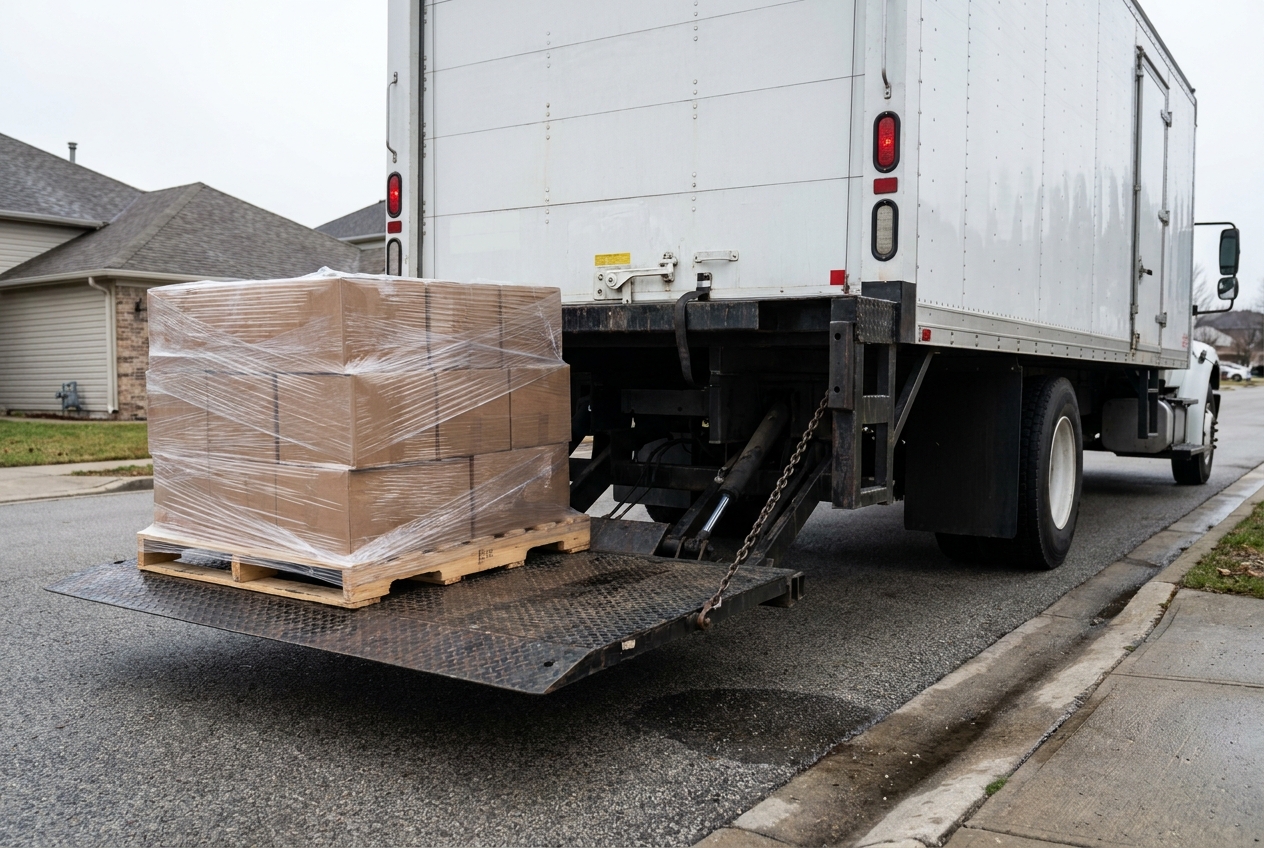
These three are the accessorials shippers trigger most, and all three come down to the delivery environment. A liftgate fee applies whenever there is no dock or forklift and the driver must use the truck's hydraulic gate to raise or lower the pallet. Residential delivery applies when the destination is a home, or a business run out of a home, because those stops take longer and often need a smaller truck. Inside delivery applies when the freight has to move past the door rather than being left at the curb. A single ecommerce shipment to a home customer can hit all three at once, so if you sell to consumers or small storefronts, check how a network of LTL freight carriers handles these stops before you pick one.
What triggers a reweigh or reclassification?
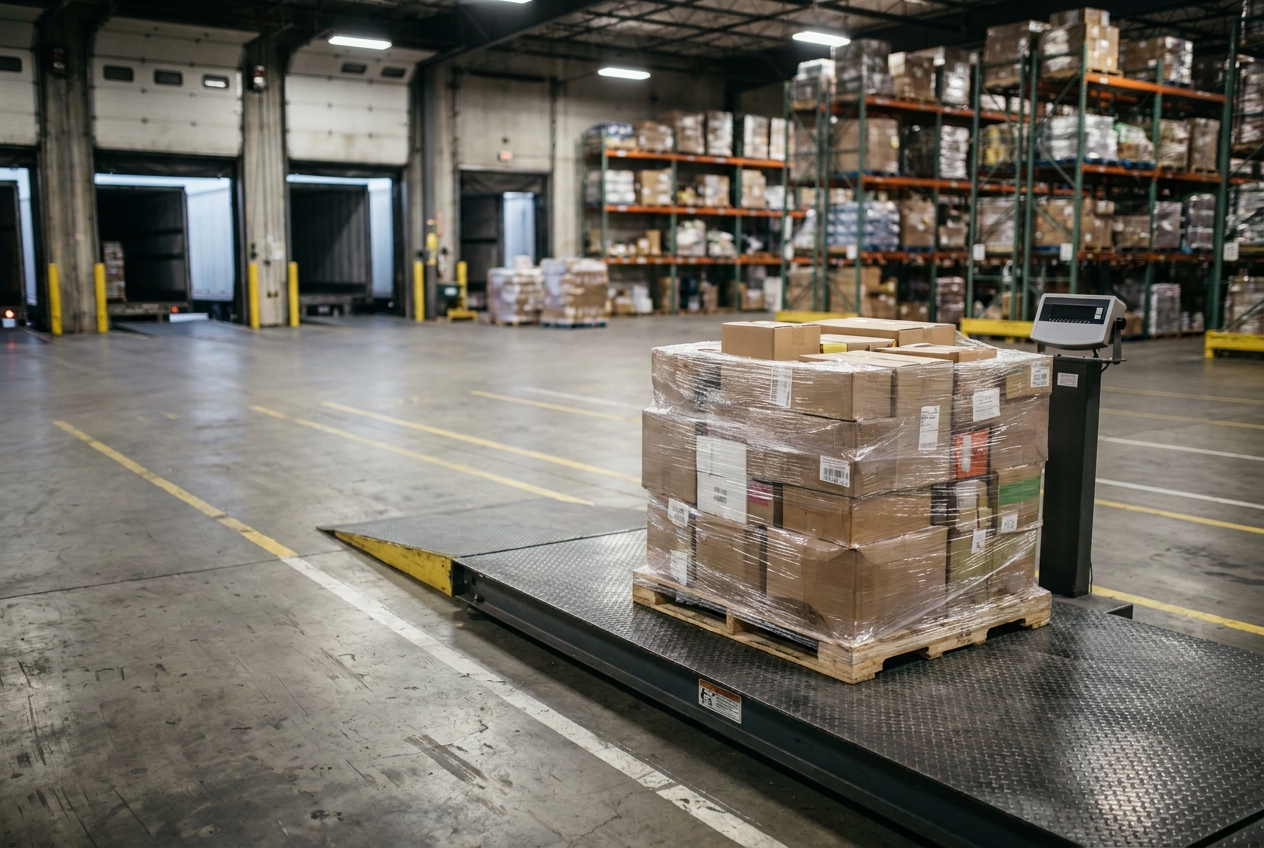
A reweigh is triggered when the carrier puts your shipment on a certified scale and the weight differs from what your bill of lading declared. A reclassification is triggered when the freight class you declared does not match the actual commodity or density the carrier measures. Both exist because LTL pricing depends on accurate weight and class, and both correct the base rate in addition to any fee.
Freight class is a standardized NMFC code from 50 to 500 that reflects density, handling, stowability, and liability. Lower-density freight generally lands in a higher class and costs more per pound. If you guess the class low or measure the pallet loosely, a reclassification quietly resets the rate to the correct, usually higher, number. The defense is to measure before you ship: run the numbers through a freight class calculator so the class on your bill of lading matches what the terminal finds, and cross-check heavy or bulky pallets with a dimensional weight calculator so the declared weight is defensible. Getting class and weight right up front is the cleanest way to keep reweigh and reclassification charges off the invoice.
What about detention, redelivery, and reconsignment?
These are the timing and change-of-plan accessorials, and coordination usually avoids them. Detention is charged when the driver waits beyond the free loading or unloading window, then billed per interval after that. Federal regulators have studied how driver detention drives up cost and pressures safety, with background at the FMCSA. Redelivery is charged when the first attempt fails, for a closed dock, no appointment, or no one to receive, and the carrier returns. Reconsignment is charged when you change the address or instructions while the freight is already moving. Detention and demurrage are close cousins shippers often confuse, so if your freight touches ports or rail, our guide to detention and demurrage explained breaks down where each applies.
Which surcharges ride on top of the base rate?
Some accessorials are less about the destination and more about the freight or market conditions. The fuel surcharge is the big one: applied to nearly every LTL shipment as a percentage of the linehaul and moving with diesel prices, so treat it as part of your base cost. Hazmat applies when the shipment contains regulated dangerous goods, which must be properly classified, marked, and documented under federal FMCSA hazardous-materials rules, and carriers price the extra handling as an accessorial. Overlength, or extreme length, applies when a piece exceeds a length threshold, often in the 8-to-12-foot range. Sort and segregate applies when the carrier must separate pieces by SKU, purchase order, or destination rather than dropping the shipment as one lot. None are punitive; they price real cost, and the same fee varies between carriers, one more reason to compare accessorial schedules when you shop freight brokers.
How do you avoid surprise accessorial charges?
The way to avoid surprise accessorials is to describe the shipment accurately before it moves, because most fees are triggered by information you control. Work through this before you tender freight:
- Get freight class and weight right. Measure the pallet, calculate the class, and declare the real weight so reweigh and reclassification never fire.
- Flag the delivery type. Mark residential, liftgate, inside, and limited-access needs on the bill of lading so they are quoted, not added later.
- Set appointments and notifications in advance. A scheduled window prevents failed attempts and the redelivery fee that follows.
- Confirm the address and receiver before pickup to avoid reconsignment mid-transit.
- Build the fuel surcharge and any hazmat or overlength fees into your landed cost so they are expected.
- Ask for the full accessorial schedule up front. Reviewing it is one of the smart questions to ask a long-haul trucking company or LTL carrier before you commit.
If your freight is filling most of a trailer, accessorials may signal the wrong mode entirely; compare the tradeoffs in our guide to LTL vs FTL shipping. And once the basics are right, deeper savings come from consolidation, packaging, and class discipline, which we cover in how to reduce LTL freight costs. Handle the paperwork with the same care you handle the freight, and the invoice stops holding surprises.
Frequently asked questions
What are accessorial charges in LTL freight?
Accessorial charges are fees a carrier adds for any service beyond standard dock-to-dock pickup and delivery. Common examples include liftgate service, residential delivery, inside delivery, limited-access location fees, detention, redelivery, and reweigh or reclassification charges.
Why did I get a liftgate fee?
A liftgate fee is triggered when the pickup or delivery site has no loading dock or forklift, so the driver uses the hydraulic liftgate on the truck to lower the pallet to ground level. If you do not flag this need on the bill of lading, the carrier can add it after the fact.
What is a reweigh or reclassification charge?
A reweigh charge applies when a carrier puts your shipment on a certified scale and finds the weight differs from the bill of lading. A reclassification charge applies when the freight class you declared does not match the actual density or commodity. Both correct the base rate and often add a fee.
Is the fuel surcharge an accessorial charge?
Yes. The fuel surcharge is a near-universal accessorial that adjusts with diesel prices and is usually applied as a percentage of the base linehaul rate. It appears on almost every LTL invoice, so build it into your landed cost from the start.
How do I avoid surprise accessorial charges?
Describe the shipment accurately on the bill of lading: correct weight, dimensions, and freight class, the right delivery type (residential, limited access, liftgate), and any appointment or notification needs. Accurate paperwork up front is the single biggest lever against post-delivery adjustments.
Can I negotiate accessorial charges?
Often, yes. Accessorial fees are part of a carrier or broker rate agreement, and high-volume shippers frequently negotiate reduced or waived accessorials, capped fuel surcharges, or bundled rates. Ask for the full accessorial schedule before you commit to a carrier.
Ready to compare providers?
Search the directory by service and location, save options to your shortlist, and send a clear RFQ.
Related guides
LTL vs FTL Shipping: How to Choose
A shipper's guide to choosing between LTL, volume/partial LTL, and FTL freight based on pallet count, weight, cost, transit time, and damage risk.
What Is Drayage? Costs, Process, and Providers
Drayage is the short-haul trucking move that carries an ocean or rail container between a port or rail ramp and a nearby warehouse, transload, or yard.
2026 Truckload Freight Market Outlook for Shippers
A neutral, hedged read on the 2026 truckload freight market: what the capacity cycle, spot-versus-contract gap, and key signals mean for shippers, and what to do now.