
How to Reduce LTL Freight Costs: 9 Levers
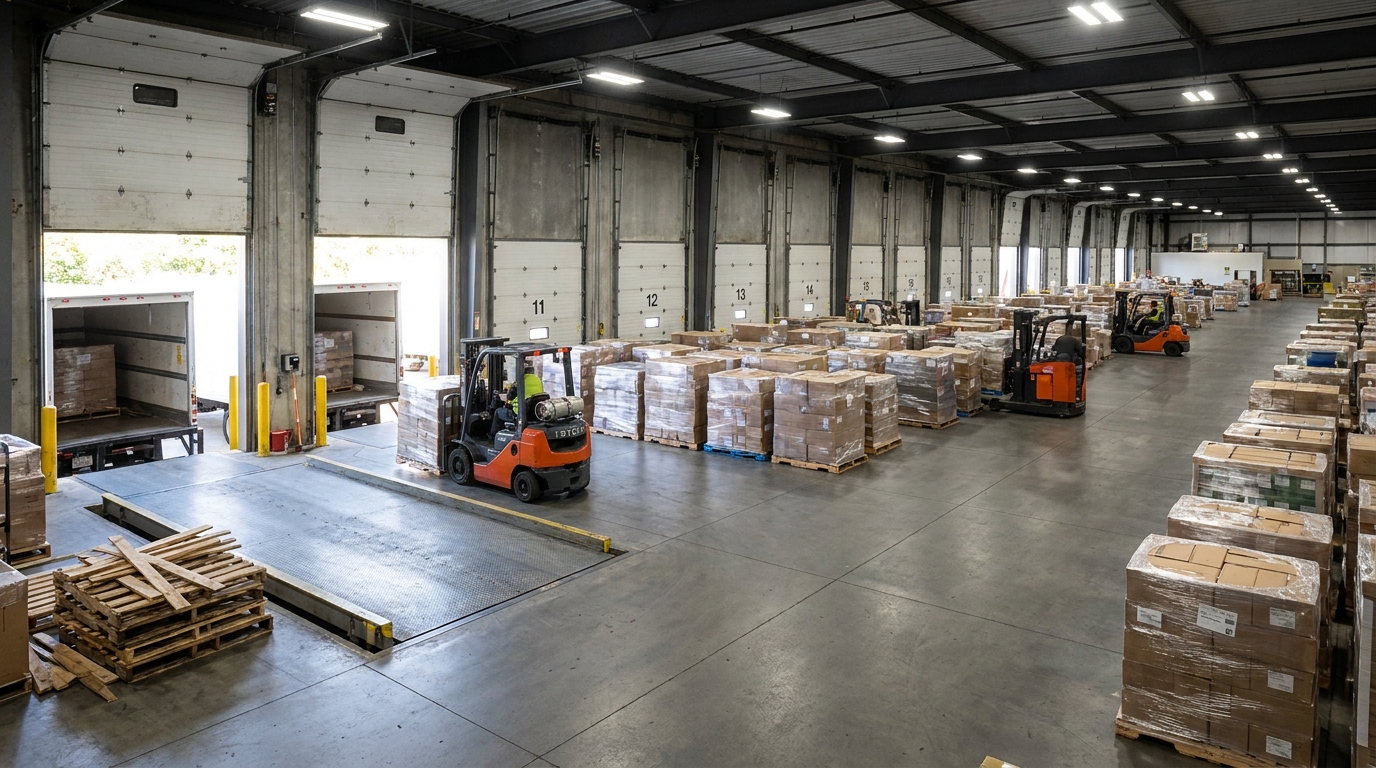
To reduce LTL freight costs, attack the inputs the carrier uses to price your shipment: freight class, density, weight breaks, accessorials, and lane. Less-than-truckload pricing is not a flat rate, it is a formula built from how much space and handling your freight demands, so every pound you classify correctly, every pallet you right-size, and every add-on fee you avoid comes straight off the invoice. Below are nine levers that consistently move LTL spend and where to start.
Key takeaways
- LTL rates are driven mostly by freight class and density, so measuring and weighing accurately before you book is the highest-value cost control.
- Reweigh and reclass at the terminal, plus avoidable accessorials, are where shippers quietly overpay the most.
- Consolidating small orders into heavier shipments moves you into better weight breaks and can tip you into cheaper volume LTL or truckload.
- An FAK or class exception, direct carriers over interline lanes, and rate-shopping through a broker or TMS each shave cost without changing what you ship.
- How is LTL freight actually priced?
- How do I get freight class and density right?
- Should I right-size and re-palletize to avoid reclass?
- How do I cut accessorial charges?
- When should I consolidate or use volume LTL?
- How do I pick the right carrier and lane?
- Should I negotiate an FAK or use a broker and TMS?
How is LTL freight actually priced?
LTL freight is priced from five main inputs: freight class, weight, distance, the origin and destination lane, and any accessorial services. Freight class is a standardized NMFC code from 50 to 500 that reflects density, stowability, handling, and liability. Denser, easier-to-stack freight gets a lower class and a lower rate, while light bulky freight lands in a high class and costs more per pound. Because a carrier is selling trailer space and terminal handling, every lever below works by improving one of these inputs.

How do I get freight class and density right?
The fastest way to lower LTL cost is to classify every shipment on real, measured density instead of guessing. Density is weight divided by cubic feet, and a small measuring or rounding error can push a pallet up a full class and raise the rate. Weigh the palletized freight, measure length by width by height including the pallet and any overhang, and calculate before you book. Our freight class calculator and dimensional weight calculator do the math so your bill of lading matches what the carrier finds. Accurate numbers up front also protect you from reclass fees, since the carrier has no room to reclass freight that is already documented correctly.
Should I right-size and re-palletize to avoid reclass?
Yes. How you build and present a pallet changes both its class and its risk of a costly reweigh-and-reclass at the terminal. Tall, loosely stacked, or overhanging freight reads as low density and high handling, which raises class. Stacking to a stable, cube-efficient pallet raises density and can drop the class outright. It also prevents the single most frustrating LTL charge: the terminal reweighs or remeasures your pallet, finds it heavier or larger than the bill of lading, and reclasses it upward with a fee attached.
Consider a shipment of light plastic components booked as several loose, half-height pallets. Measured as built, the airy stacks fell into a high class. By nesting the parts, shrink-wrapping to a tighter cube, and combining onto fewer full-height pallets, the same goods gained enough density to qualify for a lower class. Nothing about the product changed, only its density and presentation, yet the corrected class carried a meaningfully lower rate with no reclass exposure at the dock.
How do I cut accessorial charges?
Accessorials are add-on fees for anything beyond standard dock-to-dock delivery, and trimming them is often the quickest win on an invoice. Common ones include liftgate, residential or limited-access delivery, inside delivery, notification or appointment, and detention. Each is billed only if you request it or the destination requires it, so specify exactly what the stop needs and nothing more. Ship to commercial docks with a forklift where you can to skip liftgate and residential fees, and confirm delivery conditions before you book to avoid a surprise limited-access charge. Our breakdown of accessorial charges covers which ones are negotiable and which are unavoidable.
When should I consolidate or use volume LTL?
Consolidate whenever you are sending multiple small shipments to the same region or customer, because heavier shipments earn better weight breaks and spread fixed handling cost across more freight. LTL rates step down at weight thresholds, so two 400-pound shipments often cost more combined than a single 800-pound one that crosses a break. Fewer pickups also means fewer minimum charges and accessorials. As volume grows, compare modes: once you are moving several thousand pounds or roughly six or more pallets, volume LTL or partial truckload is quoted per shipment rather than by class and frequently beats standard LTL. If the freight keeps growing toward a full trailer, weigh full truckload instead, as our guide to LTL vs FTL shipping explains.
How do I pick the right carrier and lane?
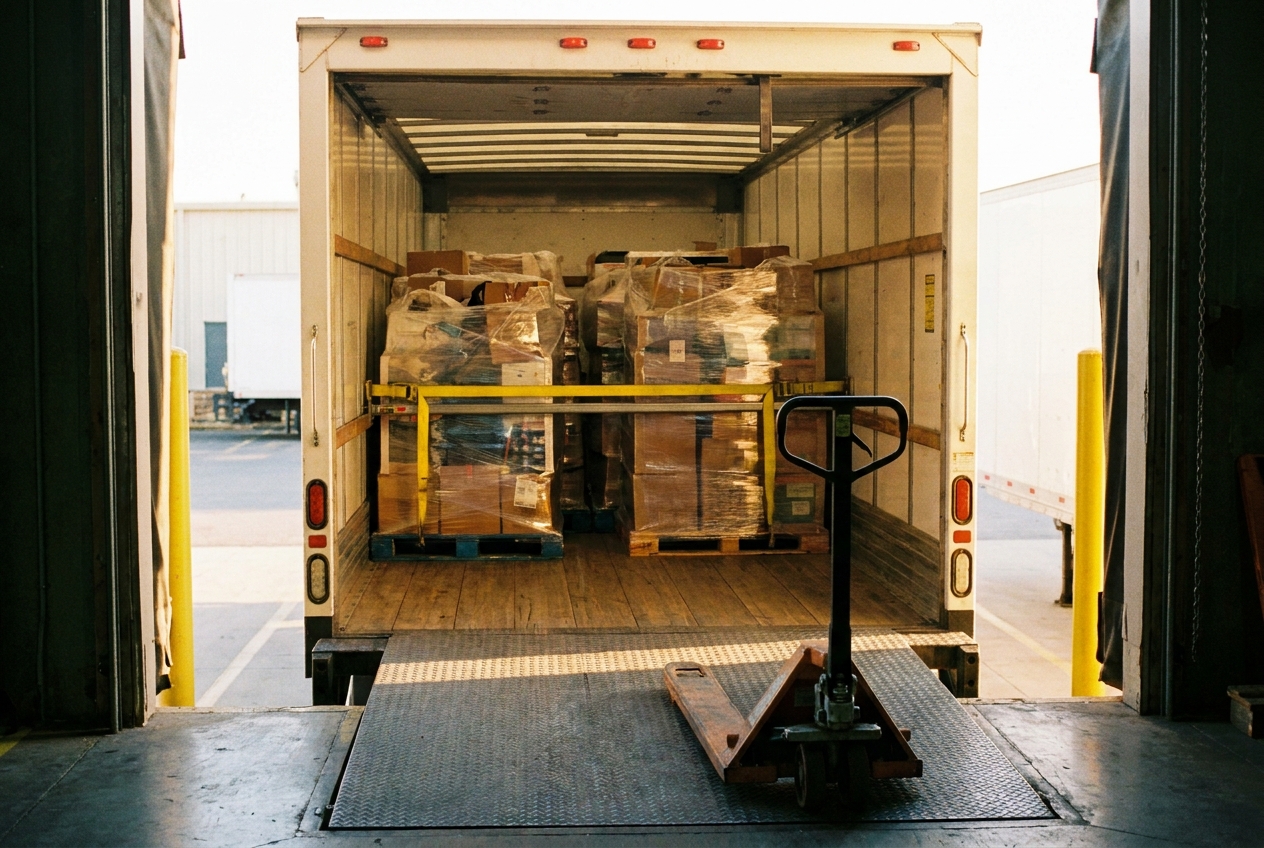
Pick the carrier that runs your lane directly, because a direct carrier avoids the interline handoffs that add days, damage risk, and cost. Many LTL lanes are covered by a single carrier end to end, while others get handed between partners at a terminal, which raises handling and claims exposure. Ask which carrier has the strongest network on your specific origin-destination pair, and favor direct service where it exists. Carrier quality matters beyond price: verify operating authority and safety history through the FMCSA, and use national freight data from the Bureau of Transportation Statistics to sanity-check lane trends. Dock discipline protects your rate: kept appointments and fast loading avoid detention charges that erase savings. Our list of questions to ask a trucking company helps you vet direct coverage before you commit, and you can compare providers in the LTL freight directory.
Should I negotiate an FAK or use a broker and TMS?
If you regularly ship a mix of freight classes, negotiate an FAK or a class exception, because it lets you bill several classes at one blended rate that usually favors your higher-class goods. An FAK, freight all kinds, works best when your typical shipment spans a range of classes rather than sitting at one, while a class exception adjusts the rate on a specific commodity you move often. Both are negotiated with a carrier or through an intermediary. For rate discovery, a freight broker or a transportation management system lets you shop multiple carriers on every lane instead of defaulting to one, and it surfaces the direct carrier that avoids interline cost. That competition, plus the visibility to catch billing errors, routinely lowers per-shipment spend. Browse the freight brokerage directory and read our guide on how to choose a freight broker before you sign.
Cost drivers and the lever that fixes each
The table below maps the main LTL cost drivers to the lever that addresses each, so you can start where your spend is leaking most.
| Cost driver | Why it raises cost | Lever that addresses it |
|---|---|---|
| Inflated freight class | Higher NMFC class raises the base rate | Measure density and classify accurately |
| Reweigh and reclass fees | Terminal finds the pallet off the BOL | Right-size, cube, and shrink-wrap pallets |
| Accessorial charges | Add-ons for liftgate, residential, detention | Request only needed services |
| Poor weight breaks | Small shipments miss lower thresholds | Consolidate orders into heavier shipments |
| Wrong mode for the size | Class-based LTL loses to per-shipment rates | Use volume or partial LTL; compare truckload |
| Interline handoffs | Extra handling and delay between carriers | Book direct carriers on your lane |
| Detention | Slow docks and missed appointments add fees | Keep appointments; load quickly |
| Single-carrier default | No competition on each lane's rate | Rate-shop via a broker or TMS |
Start with class and density, since they underpin the whole invoice, then work through accessorials, consolidation, and carrier choice. None of these levers require changing what you sell, only how you measure, build, route, and buy the freight around it.
Frequently asked questions
What is the single biggest way to reduce LTL freight costs?
Getting freight class and density right on every shipment. LTL rates are built on class, and an inflated class or a reweigh-and-reclass at the terminal is the most common reason a shipper overpays. Measure and weigh accurately before you book.
What is an FAK in LTL shipping?
FAK stands for freight all kinds. It is a negotiated agreement that lets you bill several different freight classes at one blended class, which usually lowers cost if you regularly ship a mix of higher-class goods. You negotiate it with a carrier or through a broker.
Does consolidating orders actually lower LTL cost?
Usually yes. Combining several small shipments into one heavier shipment moves you into a better weight break, spreads fixed handling costs, and cuts the number of pickups. Once combined weight approaches roughly 5,000 to 12,000 pounds, volume LTL or truckload can beat standard LTL.
How do accessorial charges affect LTL costs?
Accessorials are add-on fees for services beyond dock-to-dock delivery, such as liftgate, residential delivery, inside delivery, limited access, and detention. They can add a large share of a total invoice, so specifying only the accessorials you truly need is one of the fastest ways to cut spend.
When is volume or partial LTL cheaper than standard LTL?
When a shipment is large enough to take several pallets or space but not fill a trailer, typically in the roughly 6 to 18 pallet range or several thousand pounds. Volume and partial LTL are quoted per shipment rather than by class and often beat standard LTL at those sizes.
Can a freight broker or TMS reduce LTL costs?
Yes. A broker or a transportation management system lets you rate-shop multiple carriers on each lane instead of defaulting to one, and it surfaces the direct carrier that avoids interline handoffs. That competition and visibility routinely lowers per-shipment cost.
Ready to compare providers?
Search the directory by service and location, save options to your shortlist, and send a clear RFQ.
Related guides
Cross-Border Freight Between the US and Mexico
How cross-border shipping between Mexico and the US works: the crossing process, customs brokers on both sides, documents, modes, USMCA, C-TPAT, and how to pick a partner.
What Is Intermodal Shipping? Benefits and Tradeoffs
Intermodal shipping moves freight in one sealed container across truck and rail without rehandling the goods. Here is how it works, what it costs you in transit time, and when it beats over-the-road trucking.
How to Choose a Freight Broker: A Shipper Guide
A shipper's guide to choosing a freight broker: verify FMCSA authority and the BMC-84 bond, check insurance and carrier vetting, ask the right questions, and spot red flags.