
What Is a Freight Forwarder? Role and When to Use One
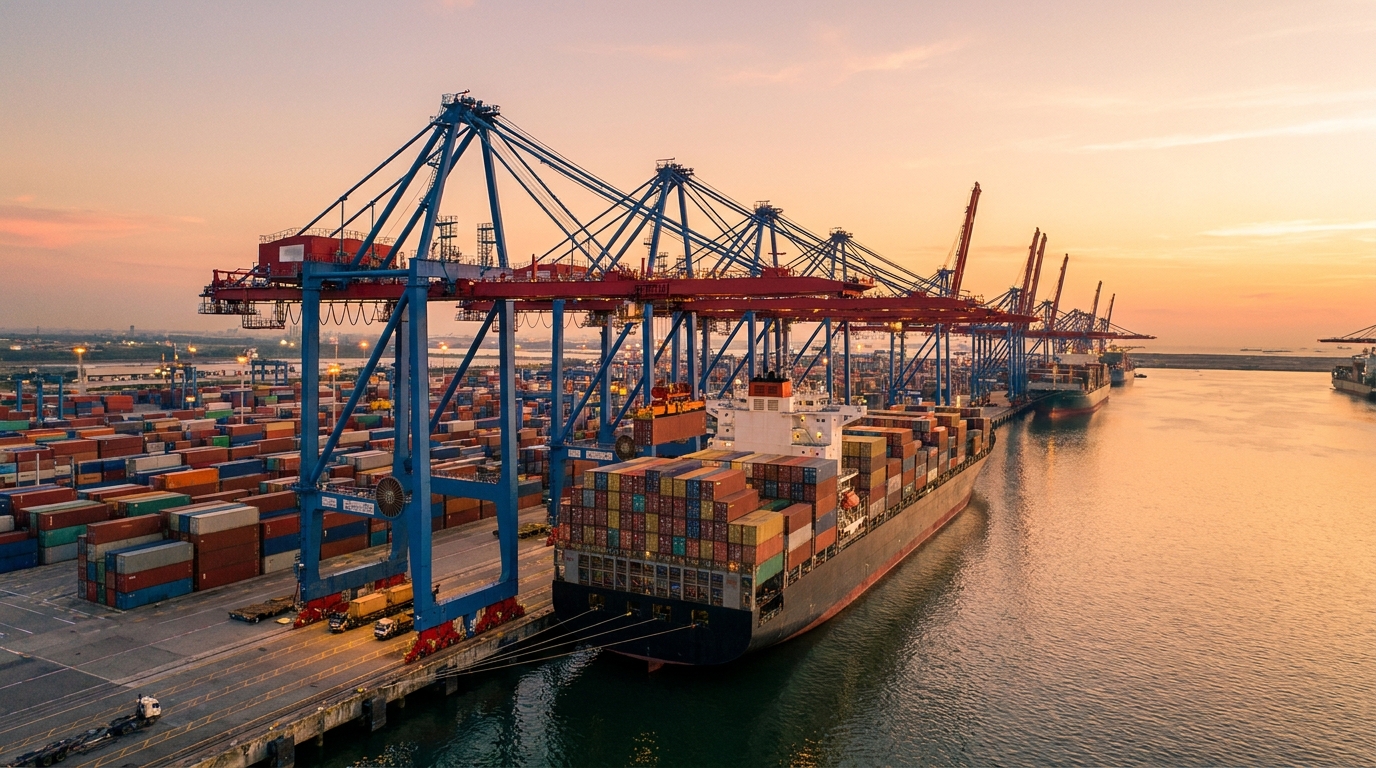
A freight forwarder is a company that arranges and orchestrates the movement of goods on a shipper's behalf, without owning the ships, planes, or trucks that carry the cargo. Instead of contracting each carrier and terminal yourself, you hand the shipment to a forwarder, and it books the space, prepares the documents, coordinates customs clearance, and manages every handoff from the factory door to the final warehouse. For importers and exporters moving goods across borders, the freight forwarder is the single point of accountability that keeps a multi-leg international shipment on schedule.
Key takeaways
- A freight forwarder arranges transportation across multiple carriers and modes but does not own the vessels, aircraft, or trucks it books.
- Its core services are booking carrier space, preparing shipping documents, consolidating smaller shipments, coordinating customs, and arranging cargo insurance.
- A forwarder is not the same as a customs broker (customs clearance only), a freight broker (usually domestic truckload matching), or a 3PL (which adds warehousing and fulfillment).
- Forwarders earn their value on international ocean and air freight, consolidated cargo, and multi-leg routes, not on single small parcels.
- Always request a line-item quote and confirm the forwarder's active registration or license before booking.
What does a freight forwarder actually do?
A freight forwarder acts as the coordinator and single point of contact for a shipment that crosses several carriers, terminals, and often an international border. It does not physically move the cargo itself; it arranges the carriers that do and manages the paperwork and handoffs between them.
In practice, a forwarder plans the route and mode (ocean, air, rail, or truck), reserves space with the underlying carriers, arranges pickup at origin, and books the trucking or drayage on both ends. It prepares and checks the export and import documentation, coordinates customs clearance, arranges insurance if you want it, and tracks the shipment through each leg. When something goes wrong, a delayed vessel, a customs hold, a missed connection, the forwarder is the party that reroutes, re-documents, and communicates.
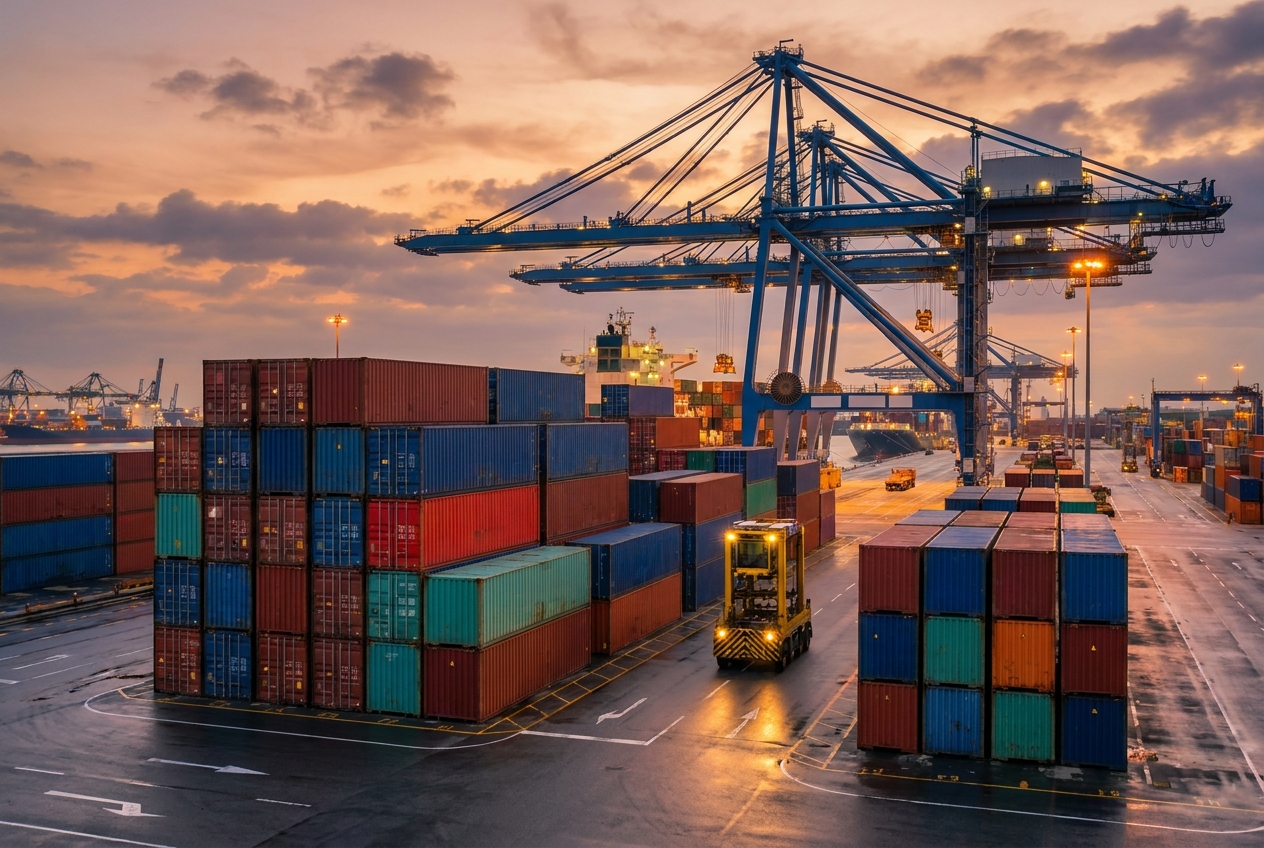
Freight forwarder vs customs broker vs freight broker vs 3PL
These four roles overlap in conversation but do different jobs. A freight forwarder arranges the whole physical movement; a customs broker clears goods through customs; a freight broker usually matches domestic truckload freight to carriers; and a 3PL layers warehousing and fulfillment on top of transportation. Understanding the boundaries keeps you from paying for the wrong service or leaving a gap uncovered.
| Role | Primary job | Owns assets? | Typical scope | Best fit for |
|---|---|---|---|---|
| Freight forwarder | Arrange and orchestrate the end-to-end move | No | International ocean/air, multi-leg, docs, consolidation | Importers and exporters crossing borders |
| Customs broker | Clear goods through customs | No | Classification, entry filing, duties and taxes | Anyone importing goods that must clear customs |
| Freight broker | Match freight to carriers | No | Mostly domestic truckload (LTL and FTL) capacity | Domestic shippers needing truck capacity |
| 3PL | Store, pick, pack, and distribute inventory | Sometimes (warehouses) | Warehousing, fulfillment, plus transportation | Brands outsourcing inventory and order fulfillment |
The lines blur because large providers combine roles: a forwarder may hold a customs brokerage license, and a 3PL may run a forwarding desk. For a deeper split of the two most-confused roles, see our guide on customs broker vs freight forwarder. If your need is domestic trucking rather than international movement, a freight broker is the closer match, and if you need storage and order fulfillment, start with what a 3PL is.
What services does a freight forwarder provide?
The core services are carrier booking, documentation, consolidation, customs coordination, and insurance. Most forwarders bundle these, but you can and should confirm which are included in a quote and which are pass-through or add-ons.
Booking carrier space and routing
The forwarder negotiates and reserves capacity with ocean lines, airlines, railroads, and trucking carriers, then designs the route across modes. Because they buy space in volume, they can often secure allocation on tight lanes that a one-off shipper cannot.
Preparing and managing documents
International shipments run on paperwork. A forwarder prepares or reviews the bill of lading or air waybill, commercial invoice, packing list, certificate of origin, and any permits the commodity requires. Errors here cause customs holds, so the documentation role is one of the most valuable things a forwarder does. Our overview of the documents a customs broker needs shows how tightly paperwork and clearance are linked.
Consolidating smaller shipments
When you do not have enough cargo to fill a container, a forwarder can combine your freight with other shippers' goods into one container, a service known as consolidation or less-than-container-load (LCL). You pay for the space you use rather than a full box.
Coordinating customs and arranging insurance
Forwarders coordinate customs clearance, either through an in-house licensed broker or a partner, and can arrange cargo insurance to cover loss or damage in transit. Neither is automatic, so confirm both are in scope if you need them.
How does freight consolidation work?
Consolidation combines several shippers' smaller loads into one full container so each shipper pays only for the volume it uses. It is one of the clearest ways a forwarder saves money for a growing importer.
Consider a worked example. A homewares brand imports 8 pallets from a supplier in Vietnam, roughly 12 cubic meters, far short of the 28 to 33 cubic meters a standard 20-foot container holds. Shipping a full container to itself would waste most of the box. Instead the forwarder places those 8 pallets into a shared LCL container alongside other importers' freight, and the brand pays a per-cubic-meter rate for its 12 cubic meters plus destination handling. As the brand grows and its orders approach a full container load (FCL), the same forwarder can switch it to a dedicated box, which usually lowers the per-unit cost. To model how ocean freight, duties, and destination charges add up on a landed basis, our landed cost calculator lets you test the trade-off before you commit.
Do freight forwarders handle customs clearance?
Many do, but not all, and the function is legally distinct from forwarding. Customs clearance requires a licensed customs broker to classify the goods, file the entry, and calculate duties and taxes. A forwarder either holds that license in-house or works with a partner broker.
The practical question to ask a prospective forwarder is who files your customs entry and whether that cost is inside the quote or billed separately. Getting the classification wrong can trigger holds, penalties, or overpaid duty, so this is not a detail to leave vague. For the authoritative rules on entry and clearance, U.S. Customs and Border Protection is the primary source. If your goods cross a specific border regularly, a dedicated broker relationship, browse providers under customs brokerage, can be worth keeping separate from your forwarder.
What documents does a freight forwarder prepare?
A forwarder prepares or checks the paperwork that moves with the cargo and satisfies carriers and customs. The exact set depends on the mode, the commodity, and the countries involved, but a typical international shipment includes the documents below.
- Bill of lading or air waybill: the carrier's contract and receipt for the goods, and the document that controls release at destination.
- Commercial invoice: the seller's bill to the buyer, used by customs to assess value and duty.
- Packing list: the itemized contents, weights, and dimensions of each package.
- Certificate of origin: where the goods were made, which can affect duty rates under trade agreements.
- Permits or licenses: commodity-specific paperwork for regulated goods such as food, chemicals, or electronics.
Because a single missing or inconsistent document can strand a container at the port, the review step matters as much as the preparation step.
When should you use a freight forwarder?
Use a freight forwarder when your shipment crosses a border, spans more than one carrier or mode, needs consolidation, or requires documentation and customs coordination you are not equipped to handle yourself. The more complex and international the move, the more a forwarder earns its fee.
Common triggers include importing ocean containers from overseas suppliers, moving LCL freight you cannot economically ship as a full container, running multi-leg routes that combine ocean, rail, and truck, or shipping regulated goods that need permits and careful classification. Growing ecommerce brands often bring in a forwarder the first time they import a container directly from a factory rather than buying through a domestic distributor. To find providers, browse the international freight category, and if ocean is your main mode, our ocean freight shipping guide walks through the container process end to end.
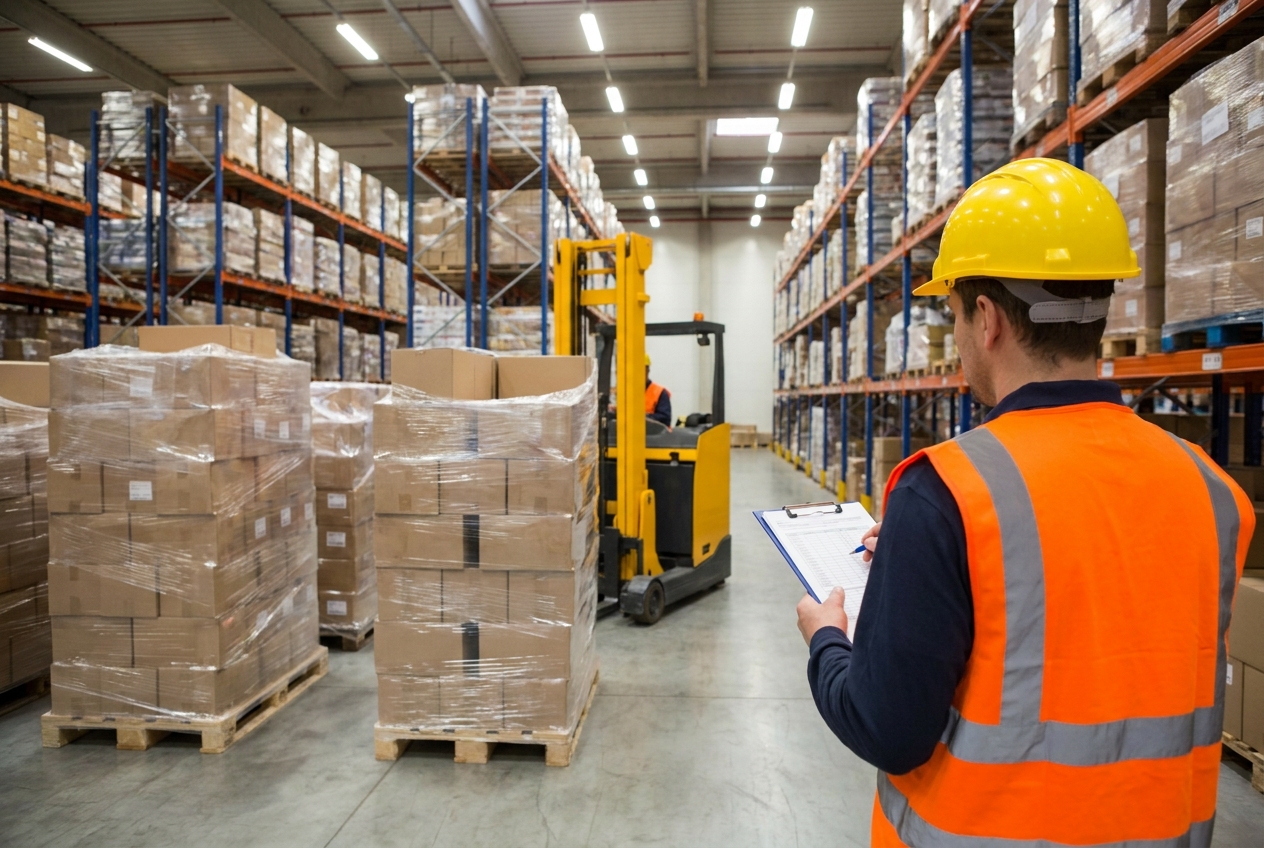
When do you not need a freight forwarder?
You can often skip a forwarder for a single small parcel, a domestic-only shipment, or a shipment an integrated carrier can handle door to door on its own. Paying for orchestration you do not need adds cost without value.
For a lightweight air shipment or one box, a courier or integrated express carrier may be simpler and cheaper because it already owns the whole chain. For domestic truckload freight that never crosses a border, a freight broker or direct carrier relationship usually fits better than a forwarder. And if your supplier ships on delivered terms and handles the international leg itself, you may not need to arrange a forwarder at all, though you should confirm who is liable at each point.
How much does a freight forwarder cost?
A forwarder's charge combines the underlying carrier freight, its own service fee, and pass-through costs such as terminal handling, documentation, customs, and accessorials. Because forwarders buy carrier space in volume, the blended rate can beat what a small shipper negotiates alone, but the only way to see the split is a line-item quote.
Ask the forwarder to separate freight from margin and to name each accessorial, so you can compare quotes on equal footing. Watch for charges that appear at destination, terminal handling, chassis, storage, and detention, which can swing the total well beyond the ocean rate. Reading a quote line by line also reveals whether customs and insurance are included or billed on top. Our guide to accessorial charges explains the extras that most often surprise first-time importers.
How do you choose a freight forwarder?
Choose a forwarder on its strength in your specific lanes and modes, the transparency of its pricing, its customs capability, and the quality of its communication when a shipment goes sideways. A forwarder that is excellent on transpacific ocean may be weak on European air, so match the provider to your actual routes.
Before you commit, confirm the forwarder is properly registered. Forwarders arranging domestic surface transportation register with the Federal Motor Carrier Safety Administration, and ocean transportation intermediaries are licensed under separate maritime rules; ask for the registration or license number and confirm it is active. Then evaluate lane coverage, references from shippers with cargo like yours, whether customs brokerage is in-house or partnered, and how the forwarder handles exceptions. National trade and freight-volume context from the Bureau of Transportation Statistics can help you sanity-check which lanes and modes carry the most freight. Compare several providers side by side in the National Freight Hub directory before you sign.
What are the risks of using a freight forwarder?
The main risks are hidden fees, liability gaps, and over-reliance on a single point of failure. A forwarder simplifies your life, but it also sits between you and the carriers, so weak communication or thin liability coverage becomes your problem.
Standard carrier and forwarder liability is usually limited and often far below the value of your goods, which is why separate cargo insurance matters on high-value freight. A forwarder that is slow to flag a customs hold or a rolled booking can cost you days of storage and demurrage. And routing everything through one provider concentrates risk, so many growing importers keep a backup forwarder or a direct broker relationship for critical lanes. Weigh the convenience against these exposures and put the important terms, liability, insurance, and who pays destination charges, in writing before your first booking.
Frequently asked questions
What is a freight forwarder in simple terms?
A freight forwarder is a company that arranges the transportation of goods on your behalf without owning the ships, planes, or trucks. It books space with carriers, prepares shipping documents, coordinates customs clearance, and manages the handoffs between each leg of an international move so the cargo reaches its destination.
What is the difference between a freight forwarder and a customs broker?
A freight forwarder arranges the entire physical movement of the shipment across carriers and borders. A customs broker focuses narrowly on clearing goods through customs: classifying products, filing the entry, and calculating duties and taxes. Many forwarders offer brokerage in-house or partner with a licensed broker, but the two functions are legally distinct.
Is a freight forwarder the same as a 3PL?
No, though they overlap. A freight forwarder specializes in arranging transportation, especially international. A third-party logistics provider (3PL) typically adds warehousing, inventory management, order fulfillment, and distribution. Some large providers do both, but a pure forwarder does not usually store and pick your inventory.
Do I need a freight forwarder for a single small shipment?
Often not. For one small parcel or a lightweight air shipment, an integrated carrier or courier may be simpler and cheaper. Forwarders earn their value on ocean containers, consolidated freight, multi-leg routes, and shipments that need customs coordination and documentation across a border.
How do freight forwarders charge?
Forwarders typically bundle carrier freight charges with their own service fee, plus pass-through costs such as terminal handling, documentation, customs, and accessorials. Because they buy carrier space in volume, the blended rate can be competitive, but you should ask for a line-item quote so you can see what is freight and what is margin.
Are freight forwarders regulated in the United States?
Yes. Forwarders arranging domestic surface transportation register with the Federal Motor Carrier Safety Administration, and ocean transportation intermediaries are licensed under separate maritime rules. Ask a prospective forwarder for its registration or license details and confirm they are active before you book.
Ready to compare providers?
Search the directory by service and location, save options to your shortlist, and send a clear RFQ.
Related guides
What Is Transloading and When Do You Need It?
Transloading transfers freight from one mode or container into another, most often unloading ocean containers into 53-foot domestic trailers or rail. Here is how it works, what it costs, and when it beats shipping the container inland whole.
What Is a 3PL? When Shippers Need One
A plain-English guide to what a 3PL is, the services it provides, how 3PLs price, and how to tell when a shipper should outsource logistics.
Section 321 De Minimis Changes: What Importers Should Do Now
US policy is narrowing the Section 321 de minimis exemption. Here is who is affected and the practical steps importers should take before the rules change.