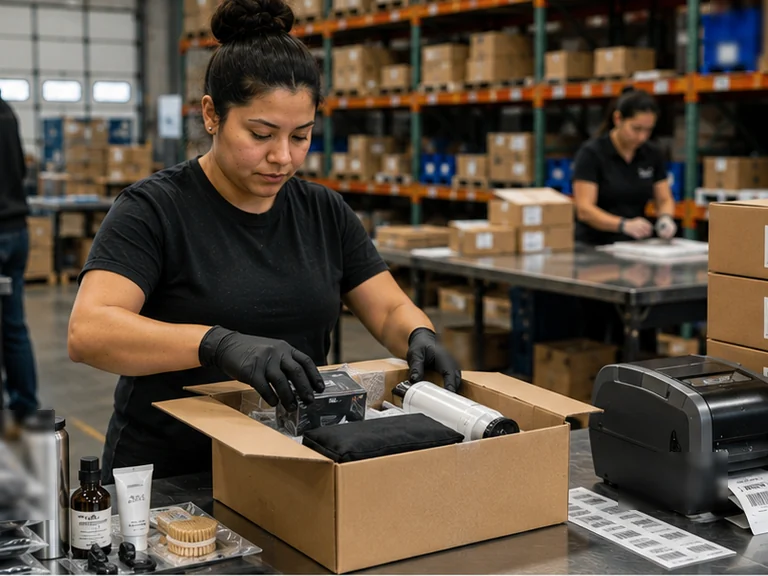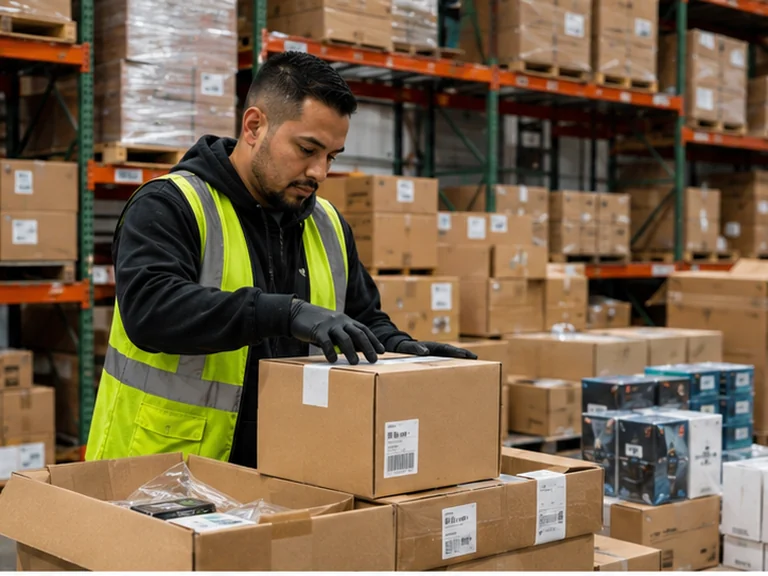
When ocean freight lands in Southern California, Amazon sellers often need one more checkpoint before inventory enters FBA. That checkpoint may be inspection, FNSKU labeling, carton relabeling, bundling, pallet work, damage reporting, or a short storage hold while an Amazon delivery appointment is arranged. For importers using Los Angeles and Long Beach as their U.S. gateway, the question is not simply whether to choose the closest warehouse. It is whether the prep provider can manage the port-to-prep-to-Amazon handoff without creating extra dwell time, surprise storage charges, or compliance problems.
The practical answer for importers
Sellers use Southern California prep centers when imported inventory arrives through LA/LB and needs a U.S. quality-control and routing checkpoint before going into Amazon’s network. FBA prep near Port of Los Angeles can make sense when cartons need inspection, FNSKU labeling, poly bagging, kitting, re-cartoning, palletization, or short-term storage before a final Amazon appointment.
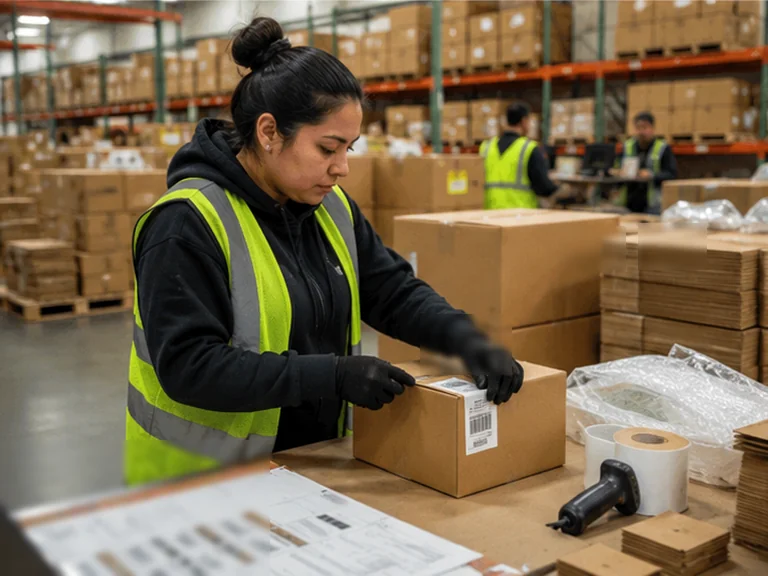
Inland prep can still be the better choice when inventory is ultimately moving to inland Amazon fulfillment centers, the inland provider has stronger ecommerce labor, or port-area storage and handling costs outweigh the convenience of proximity. The best decision depends on freight flow, prep scope, Amazon destination, appointment timing, and the provider’s actual import-handling experience.
Why LA and Long Beach matter for Amazon-bound imports
The Port of Los Angeles and Port of Long Beach are central gateways for U.S. containerized imports, including consumer products that later move into Amazon FBA. Importers should verify current volume trends directly through the Port of Los Angeles container statistics and Port of Long Beach port statistics, especially when planning around seasonal peaks or market shifts.
For Amazon sellers, the ports matter because overseas inventory is often not ready for FBA at the moment it clears the terminal. Factory cartons may be missing Amazon-compliant labels. Mixed SKUs may need sorting. Units may need suffocation warnings, bubble wrapping, bundle stickers, or quality inspection. Cartons may need to be reconfigured for Amazon shipment plans. A Southern California prep partner can act as the first domestic control point before inventory is forwarded to Amazon.
Amazon explains the general FBA model on its Fulfillment by Amazon page, but importers still need their own operational plan for getting ocean freight from the terminal to a prep location and then into Amazon’s network.
How the port-to-prep-to-Amazon workflow usually works
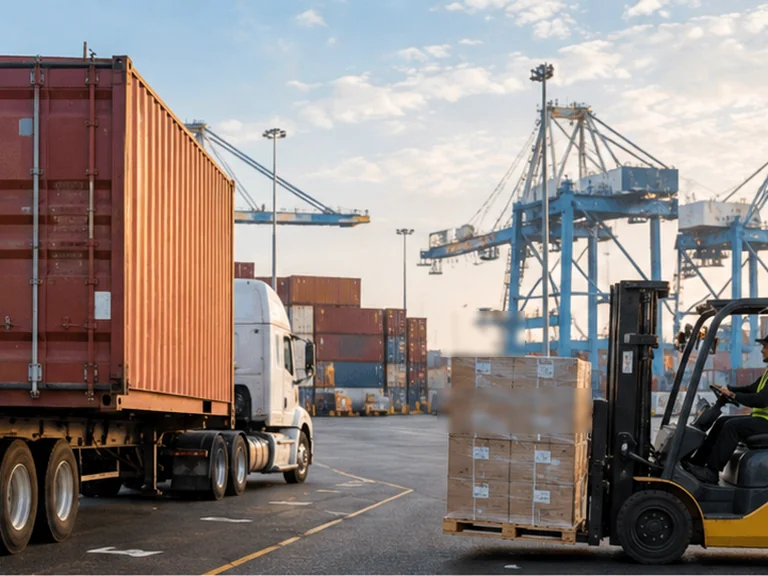
A typical imported FBA flow may involve several parties: the ocean carrier, customs broker, freight forwarder, drayage carrier, chassis provider, warehouse or prep center, and outbound carrier. If the seller chooses an imported goods prep center near the port, the container may be pulled from the terminal, delivered to a warehouse for devanning, and converted into Amazon-ready cartons or pallets.
Drayage handoffs can determine whether “near the port” helps
Port proximity is only useful if the handoffs are managed well. Drayage involves container pickup, terminal availability, chassis coordination, appointment windows, live unload or drop arrangements, empty return timing, and communication with the warehouse. A prep center that is physically close to the port but slow to receive containers can still create cost and timing problems.
When comparing providers, ask whether they coordinate directly with drayage carriers or simply wait for freight to arrive. Some prep providers can receive floor-loaded cartons from a drayed container, while others prefer palletized freight only. Some can transload, segregate SKUs, photograph exceptions, and build Amazon-compliant outbound loads. Others are more limited and may need another warehouse in the middle.
If your operation involves container pickup, transloading, chassis timing, or inland trucking after prep, it is worth reviewing National Freight Hub’s freight, trucking, and drayage guides alongside prep provider options.
Prep tasks that matter most for imported FBA inventory
Imported goods often need more than basic label application. Amazon-bound prep may include receiving and count verification, carton-level inspection, shortage or damage reporting, photo documentation, FNSKU labeling, carton labeling, poly bagging, suffocation warnings, bubble wrap, kitting, bundling, re-boxing, palletization, and shipment plan support. Some providers also help split inventory between Amazon, wholesale, retail, and direct-to-consumer channels.
The key is to confirm the provider has experience with Amazon’s requirements and with import freight. A domestic parcel-focused prep center may be excellent for small replenishment shipments but less equipped to receive a full container, unload floor-stacked cartons, document discrepancies, and coordinate outbound pallets.
Is your container arriving through LA or Long Beach before it goes to Amazon?
Compare Southern California FBA prep providers that can receive imported cartons, coordinate drayage handoffs, inspect and label inventory, and help you avoid unnecessary storage or appointment delays near the port.
Compare Southern California FBA prep providers
Port proximity is not the same as operational fit
Many sellers search for FBA prep Los Angeles port options because the logic seems obvious: if the container lands at LA or Long Beach, use a nearby prep center. That can be correct, but distance alone should not drive the decision.
A location near the port may reduce the first drayage leg and create a fast inspection checkpoint. It may also make it easier to redirect inventory if cartons are damaged, mislabeled, short-shipped, or not ready for Amazon. But a port-area warehouse may have higher storage costs, tighter space, or limited ecommerce labor during peak periods. If inventory sits waiting for an Amazon appointment, the advantage of proximity can shrink quickly.
Operational fit means the provider can handle your freight profile, SKU count, carton condition, reporting needs, volume spikes, Amazon shipment plan requirements, and outbound transportation. The best prep location is the one that reduces total landed friction, not just the one closest to the terminal.
Storage risk near the ports
Storage risk starts before freight reaches the prep center. Importers may face demurrage if containers sit too long at the terminal and detention if equipment is not returned within the allowed free time. Once goods reach a warehouse, sellers may also face receiving delays, dwell charges, minimum storage fees, pallet storage billing, or special handling charges.
A prep center near the ports can help if it unloads quickly and moves goods into an Amazon-ready workflow. It can hurt if the warehouse is congested, cannot process your SKU mix, or stores inventory longer than expected while labels, shipment plans, or appointments are resolved.
Before selecting an Amazon prep Southern California partner, ask how they handle the period between container arrival and outbound Amazon delivery. Clarify whether storage is billed by pallet, carton, cubic foot, bin, or time period. Confirm whether there are separate fees for devanning, sorting, labeling, palletizing, long-term storage, and appointment-related holding.
Amazon appointment timing can change the location decision
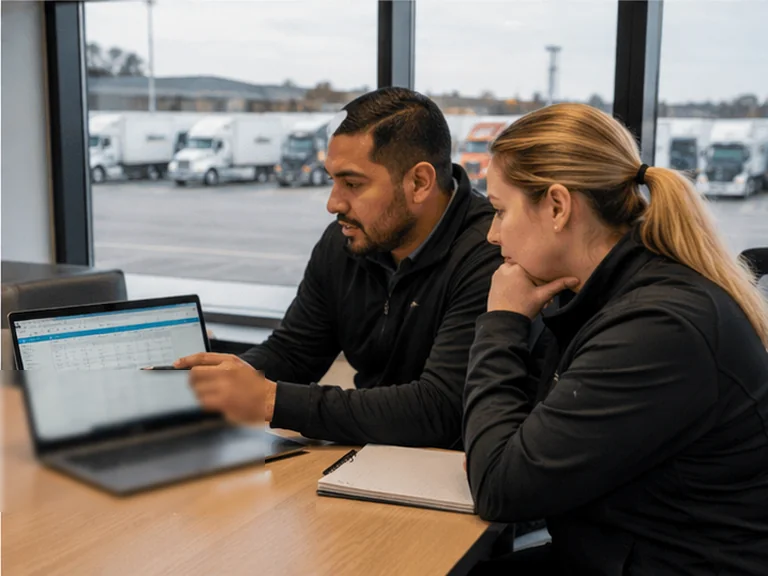
Amazon delivery appointment timing is one of the most practical reasons to use a prep center, but it can also be a source of delay. Inventory may be fully prepped and still need to wait for routing, carrier scheduling, or fulfillment center delivery windows. Those timelines vary by shipment, carrier, destination, and market conditions, so sellers should avoid assuming that port-area prep automatically means faster Amazon receiving.
A strong provider will communicate where inventory is in the process: received, counted, inspected, labeled, awaiting shipment plan, palletized, staged, picked up, or delivered. That visibility matters when you are trying to forecast stockouts, storage costs, and advertising plans.
For sellers with seasonal products or launch-critical inventory, the prep location should be evaluated alongside Amazon delivery strategy. The wrong warehouse may be close to the port but far from the final fulfillment center or inefficient for outbound trucking.
When inland prep makes more sense
Inland prep can be the better choice when inventory is moving toward fulfillment centers outside Southern California or when your main 3PL already has strong Amazon prep capabilities. If the ocean container is destined for inland distribution anyway, moving directly to a lower-cost region may reduce storage expense and align better with outbound Amazon routing.
Inland prep may also make sense when the seller needs specialized ecommerce labor, long-term storage, DTC fulfillment, returns processing, wholesale routing, or multi-channel allocation. A port-near warehouse focused mainly on transloading may not be the best place to manage a complex catalog over time.
The tradeoff is that any problems discovered inland are discovered later. If cartons are mislabeled, quantities are off, or packaging is damaged, the seller may have already paid for a longer truck move before learning that inventory is not Amazon-ready. That is why some importers use a hybrid model: inspect and triage near the port, then send approved inventory inland or to Amazon.
What to compare before choosing a Southern California prep partner
When evaluating FBA prep providers that handle Amazon-bound inventory, focus on the full operating model rather than a ZIP code search. Ask how much imported freight they receive, whether they can unload floor-loaded containers, how they document discrepancies, and how they coordinate with drayage carriers.
Review their Amazon prep capabilities in detail. Confirm whether they handle FNSKU labeling, carton labels, poly bagging, bundle creation, kitting, re-boxing, palletization, and shipment plan coordination. If your products are fragile, regulated, oversized, apparel, grocery-adjacent, or high value, ask about product-specific handling safeguards and insurance.
Also compare systems and reporting. Sellers often need receiving photos, carton counts, damage notes, exception reports, inventory status, and clear billing. Portal access or timely email reporting can be the difference between confidently routing inventory and guessing where a container’s contents stand.
For location-specific comparison, National Freight Hub’s FBA Prep Companies in Los Angeles coverage and Amazon FBA prep category can help sellers identify providers to vet before committing inventory.
Questions to ask before routing the container
Before the vessel arrives, decide who is responsible for each handoff. Confirm whether your customs broker, forwarder, drayage carrier, and prep center are aligned on pickup timing, delivery appointment requirements, receiving hours, container unload method, and empty return expectations.
Then ask the prep provider practical questions:
- Can you receive full containers, LCL freight, palletized freight, and floor-loaded cartons?
- Do you coordinate drayage, or do we need to arrange it separately?
- How quickly do you begin receiving, counting, and reporting after delivery?
- What prep services are performed in-house versus outsourced?
- How do you bill for devanning, labeling, palletizing, storage, and exception handling?
- Can you hold inventory while Amazon shipment plans or delivery appointments are finalized?
- What documentation do you provide for shortages, damages, and carton conditions?
These questions help separate true import-ready FBA prep providers from warehouses that only happen to be located near the ports.
FAQ
Why do sellers use FBA prep near the Port of Los Angeles?
Sellers use port-area prep when imported inventory needs inspection, labeling, bundling, re-boxing, palletization, or routing decisions before moving to Amazon. It gives the seller a U.S. checkpoint close to the ocean freight arrival point.
Is a prep center near the port always faster?
No. A nearby prep center can reduce the first drayage leg, but speed depends on receiving capacity, labor availability, prep scope, Amazon shipment planning, outbound carrier scheduling, and delivery appointments.
What is the difference between drayage and FBA prep?
Drayage is the short-haul movement of containers or freight from the port to a warehouse, rail ramp, or other destination. FBA prep is the process of making inventory ready for Amazon’s fulfillment network through labeling, packaging, inspection, and related services.
When should I choose inland prep instead?
Inland prep may be better when inventory is headed toward inland Amazon fulfillment centers, long-term storage is needed, labor costs are lower, or an existing inland 3PL has stronger Amazon and ecommerce capabilities.
Compare port-aware FBA prep options before you route inland
Before sending imported inventory straight past Southern California, compare providers that understand port handoffs, Amazon prep requirements, short-term storage, and outbound delivery planning.
Find FBA prep partners near Southern California ports
Related guides
- FBA Prep Companies in Los Angeles
- Amazon FBA Prep Provider Directory
- Freight, Trucking & Drayage Guides
- Imported Goods Prep and Drayage Planning