Prep Center vs Freight Forwarder: Who Should Receive Imported Amazon Inventory?
The best receiving point depends on whether the problem is customs/freight movement or product readiness for Amazon.

The best receiving point depends on whether the problem is customs/freight movement or product readiness for Amazon.
Most receiving problems are preventable before inventory leaves the prep center.
The right 3PL should fit the brand’s order profile, not just connect to Shopify.
Pick-and-pack looks simple until add-on fees, packaging rules, and order complexity change the invoice.
Most fulfillment problems show up during onboarding, not months later.
Distributed fulfillment can improve speed, but it can also increase stockouts and complexity.
Traceability is no longer only a manufacturer concern; logistics partners may handle records buyers need during a recall.
A reefer truck is not automatically food-safe; process, equipment condition, temperature control, and records all matter.
Bad quotes often start with incomplete information; a better request creates better pricing and fewer surprises.
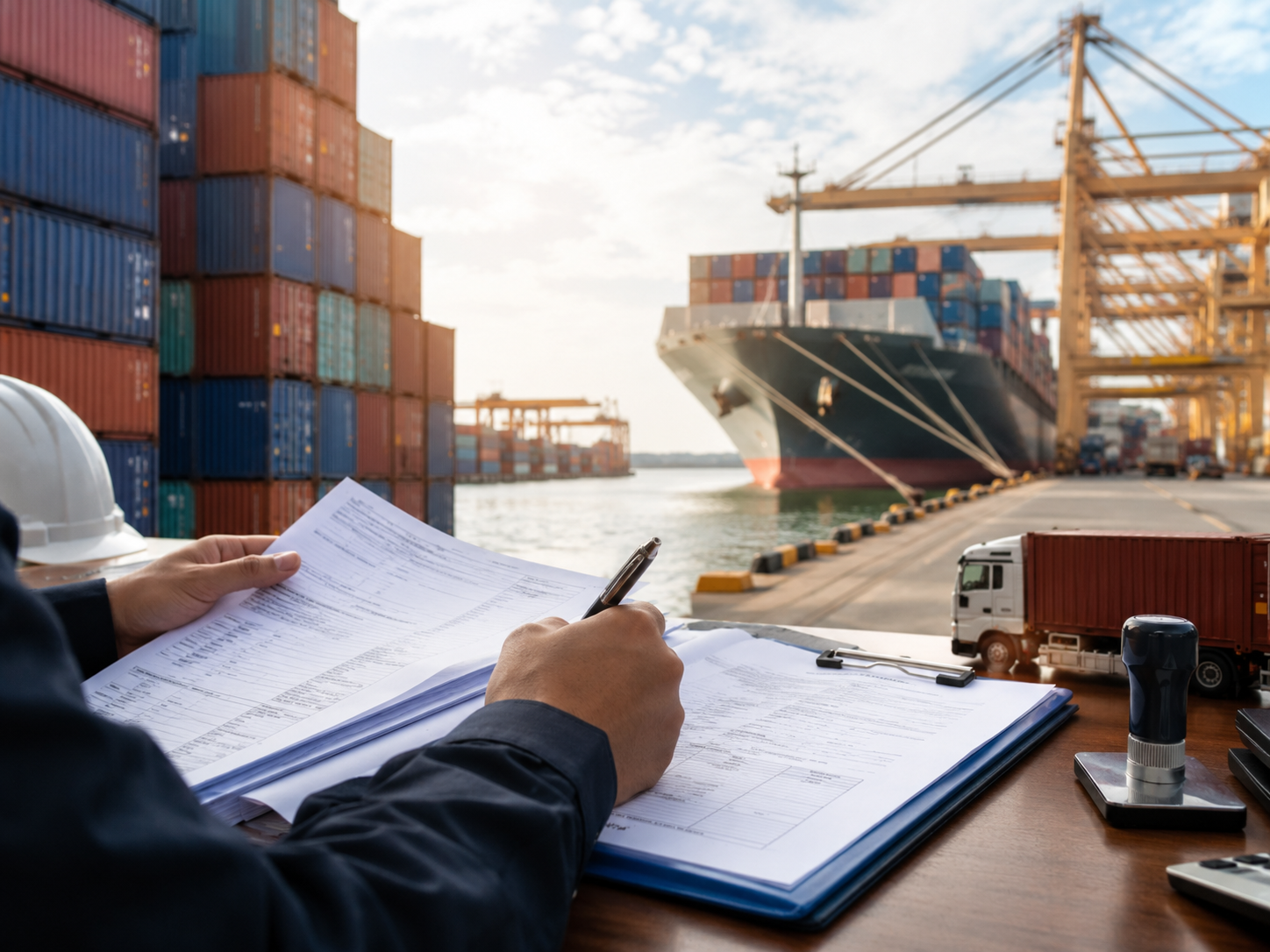
Many importers compare a customs broker and freight forwarder when they are trying to understand who handles customs clearance and who arranges freight movement. Sometimes