
Frozen vs Refrigerated vs Chilled Storage: Which One Do You Need?
Choosing between frozen vs refrigerated storage is only part of the decision. Some products also need chilled storage or controlled ambient space, depending on product type, handling risk, shelf-life expectations, and customer requirements.
The right storage type can protect product quality, reduce delivery exceptions, and keep inventory moving safely. The wrong choice can create thawing, spoilage, condensation, packaging damage, rejected deliveries, or unnecessary storage costs.
This article explains the practical differences between frozen, refrigerated, chilled, controlled ambient, and dry storage, so you can choose the right temperature-controlled option for your product.
Quick Answer: Which Storage Type Do You Need?
| If Your Product… | You May Need… |
| Must remain frozen solid | Frozen storage |
| Must stay cold but not frozen | Refrigerated storage |
| Needs cooler conditions but may be damaged by freezing | Chilled storage |
| Does not need refrigeration but should avoid heat | Controlled ambient storage |
| Is shelf-stable and not temperature-sensitive | Dry ambient storage |
The final answer should always come from your product requirements, supplier instructions, customer requirements, or quality team.
When Frozen Storage Is the Right Fit
Frozen storage is usually the right choice when the product must remain frozen from receiving through outbound shipment.
This may include:
- Frozen seafood
- Frozen meat and poultry
- Frozen meals
- Ice cream
- Frozen bakery products
- Frozen produce
- Frozen ingredients
The buyer’s main concern is preventing thawing. For general reference, FDA identifies freezer temperature as 0°F, but commercial frozen storage requirements can depend on the product, packaging, customer expectations, and quality standards.
Frozen storage may be the right fit if:
- The product label requires frozen storage
- The product arrives frozen
- The customer expects frozen delivery
- Thawing would damage product quality
- Refreezing would create quality or acceptance issues
- The product requires frozen outbound transportation
Before choosing a frozen storage provider, ask how the warehouse handles dock time, staging, picking, and loading. The freezer temperature matters, but so does the amount of time product spends outside the freezer.
When Refrigerated Storage Is the Right Fit
Refrigerated storage is typically used when products must remain cold but should not freeze.
This may include:
- Dairy
- Prepared foods
- Fresh meat
- Fresh seafood
- Some beverages
- Perishable packaged foods
- Certain ingredients
FDA recommends refrigerator temperatures at 40°F or below as general food safety guidance. Commercial requirements may be more specific depending on the product.
Refrigerated storage may be the right fit if:
- The product is perishable but not frozen
- The product must stay cold for shelf-life reasons
- Freezing would damage the product
- The product requires lot or expiration-date tracking
- The product will ship to retailers, distributors, or foodservice customers
Refrigerated storage is often more than a temperature zone. Buyers should also compare inventory accuracy, expiration tracking, FIFO rotation, and outbound shipping support.
When Chilled Storage Is the Right Fit
Chilled storage is often used for products that need cooler conditions but may not fit neatly into frozen or traditional refrigerated storage.
This may include:
- Fresh produce
- Beverages
- Floral products
- Chocolate or confectionery
- Specialty foods
- Heat-sensitive ingredients
- Products that need cool but not freezing conditions
Chilled storage can be confusing because providers may define it differently. Some use chilled and refrigerated almost interchangeably. Others have a distinct chilled zone.
Chilled storage may be the right fit if:
- The product should be kept cool but not frozen
- Product quality may decline in warm warehouse conditions
- The product is sensitive to heat
- Freezing would cause damage
- Humidity or condensation may be a concern
Before choosing chilled storage, ask the provider to define the exact temperature range and whether humidity is controlled.
Product Examples by Storage Type
| Product Type | Likely Storage Direction |
| Ice cream | Frozen |
| Frozen seafood | Frozen |
| Frozen meals | Frozen |
| Milk and dairy | Refrigerated |
| Fresh prepared foods | Refrigerated |
| Fresh meat or seafood | Refrigerated |
| Produce | Chilled or refrigerated, depending on product |
| Beverages | Chilled, refrigerated, or ambient depending on product |
| Chocolate | Controlled ambient or chilled depending on requirements |
| Shelf-stable packaged goods | Dry ambient or controlled ambient |
This table is only a starting point. Always confirm product-specific requirements.
What Happens If You Choose the Wrong Storage Type?
Choosing the wrong cold storage type can create several problems.
If frozen products are stored too warm
They may begin to thaw, lose quality, become unacceptable to customers, or require investigation before shipment.
If refrigerated products are stored too cold
They may freeze unintentionally, which can affect texture, packaging, appearance, or usability.
If chilled products are stored too warm
They may lose shelf life, melt, soften, sweat, or fail customer requirements.
If controlled ambient products are stored in a hot warehouse
They may warp, melt, degrade, separate, or become unsellable.
The risk depends on the product, but the basic lesson is the same: match the storage type to the product requirement, not just the lowest available rate.
How Storage Type Affects Cost and Handling
Frozen, refrigerated, and chilled storage may have different cost structures because they require different equipment, energy use, handling procedures, and labor.
Costs may be affected by:
- Temperature zone
- Pallet count
- Storage duration
- Order-picking requirements
- Case or unit handling
- Lot tracking
- Expiration-date management
- Inbound and outbound volume
- Cross-docking needs
- Cold transport coordination
Frozen storage may cost more than dry warehousing because it requires more controlled conditions. Refrigerated and chilled storage may also cost more than ambient storage because of energy use and handling complexity.
Do not compare only the storage rate. Compare the full handling process.
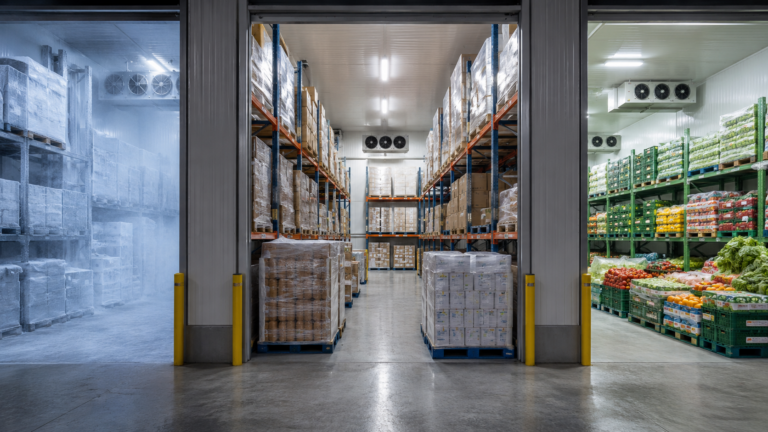
When You May Need Multiple Temperature Zones
Some companies need more than one storage type.
Examples:
- A food importer may need frozen storage for seafood and refrigerated storage for prepared products.
- A beverage brand may need chilled storage for certain SKUs and dry ambient storage for others.
- A distributor may need refrigerated storage plus frozen cross-dock support.
- A brand may need controlled ambient storage for chocolate and dry ambient storage for packaging.
If you manage multiple product types, ask whether the provider offers multiple zones in the same facility.
Questions to Ask Before Requesting a Quote
Before contacting providers, be ready to answer:
- What product are you storing?
- Does it arrive frozen, refrigerated, chilled, or ambient?
- What temperature range does the product require?
- What happens if the product freezes?
- What happens if the product gets too warm?
- How many pallets or cases need storage?
- Do you need lot tracking or expiration-date tracking?
- Will the provider pick orders or only store pallets?
- Do you need outbound cold transport?
- Are there retailer or customer requirements?
These details help providers quote accurately and avoid mismatched recommendations.
Common Mistakes to Avoid
One common mistake is asking for “cold storage” without knowing the product’s required temperature range.
Another mistake is assuming chilled and refrigerated always mean the same thing.
A third mistake is choosing the cheapest available space before understanding handling, staging, dock procedures, and outbound shipping support.
Finally, avoid choosing a provider that cannot clearly explain its temperature zones. If the provider cannot define the range, it may not be the right fit.
FAQ
What is the difference between frozen and refrigerated storage?
Frozen storage is for products that must remain frozen. Refrigerated storage is for products that need to stay cold but not frozen. FDA general guidance identifies freezers at 0°F and refrigerators at 40°F or below.
Is chilled storage the same as refrigerated storage?
Not always. Some providers use the terms similarly, while others define chilled storage as a separate cooler zone. Always ask for the exact range.
Which cold storage type is best for produce?
It depends on the product. Some produce may need chilled storage, while other items may require specific refrigerated or humidity-controlled conditions.
Which cold storage type is best for frozen food?
Frozen food usually requires frozen storage and frozen outbound transportation.
Can one warehouse offer multiple cold storage types?
Yes. Some cold storage providers offer frozen, refrigerated, chilled, controlled ambient, and dry storage zones in the same facility.
Find Cold Storage Providers on National Freight Hub
Choosing between frozen, refrigerated, and chilled storage is easier when you know your product requirements and ask the right questions.
Use National Freight Hub to compare cold storage providers, frozen warehouses, refrigerated warehousing companies, chilled storage providers, and cold transport partners that fit your supply chain.
