
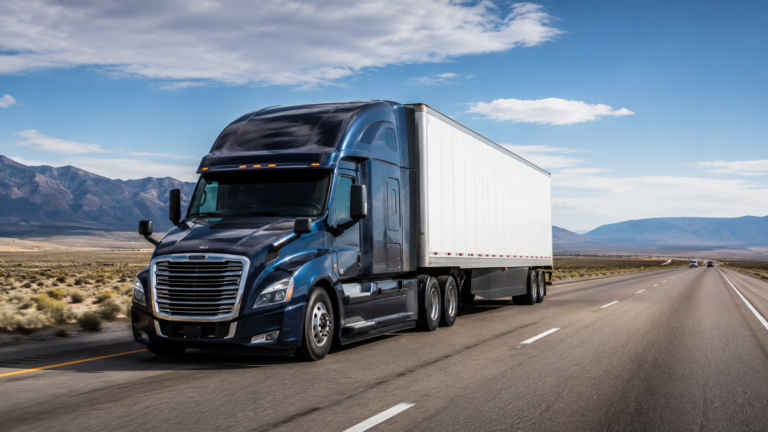
Choosing a long-haul trucking company is not just about getting a truck at the lowest rate. When freight is moving across states or across the country, reliability, communication, lane coverage, equipment, insurance, and scheduling all matter.
The right carrier can help keep freight moving on time and reduce avoidable problems. The wrong carrier can create delays, missed appointments, damaged freight, poor tracking, and unexpected costs.
Before booking your next shipment, use these questions to ask a long-haul trucking company so you can compare providers with more confidence.
What Lanes Do You Regularly Run?
A long-haul trucking company may say it serves national freight, but that does not mean every lane is equally strong.
Ask:
- What lanes do you run most often?
- Do you serve my pickup and delivery regions regularly?
- Do you handle one-way lanes or recurring routes?
- Do you have drivers or partners in the destination market?
- Do you run coast-to-coast freight?
- Do you specialize in certain regions?
A carrier that regularly runs your lane may have better scheduling, fewer surprises, and stronger route knowledge than one taking the shipment as a one-off move.
What Type of Freight Do You Handle?
Not every trucking company is a fit for every shipment. Some specialize in dry van freight. Others handle refrigerated, flatbed, oversized, high-value, retail, industrial, or time-sensitive shipments.
Ask what freight types the carrier commonly moves.
Examples include:
- Dry van freight
- Refrigerated freight
- Flatbed freight
- Palletized goods
- Food and beverage
- Manufacturing freight
- Retail distribution
- E-commerce inventory
- Machinery
- Building materials
The goal is to choose a provider that understands your type of freight, not just the distance between pickup and delivery.
What Equipment Is Available?
Equipment fit matters. The right trailer depends on the freight, packaging, loading method, product sensitivity, and destination requirements.
Ask:
- Do you offer dry van, reefer, flatbed, or other equipment?
- What trailer sizes are available?
- Can you handle palletized freight?
- Do you provide liftgate service if needed?
- Can you support temperature-controlled freight?
- Is the equipment owned, leased, or brokered through partners?
- How do you check equipment before loading?
If your freight requires special handling, confirm equipment details before booking.
How Do You Communicate During Transit?
Communication is one of the biggest differences between long-haul carriers. Shippers need updates when the truck is dispatched, loaded, delayed, nearing delivery, and unloaded.
Ask:
- Who is my main contact?
- Do you provide tracking updates?
- How often are updates sent?
- Can I get location updates during transit?
- How do you communicate delays?
- Can I reach someone after business hours?
- What happens if the driver misses an appointment?
Poor communication can create problems for your warehouse, customer, and internal team. A good carrier should have a clear communication process.
What Is Your On-Time Performance Process?
No carrier can guarantee that every shipment will be perfect. Weather, traffic, equipment issues, shipper delays, receiver delays, and road conditions can all affect transit.
The question is how the carrier manages timing.
Ask:
- How do you plan pickup and delivery schedules?
- Do you confirm appointments in advance?
- How do you handle delays?
- How quickly do you notify customers of schedule changes?
- Do you offer team drivers for urgent shipments?
- What transit times are realistic for this lane?
Be cautious with providers that overpromise. A smart long-haul trucking company should give realistic expectations and communicate early if something changes.
Are You an Asset Carrier, Broker, or Both?
This is an important question. Some companies own trucks and employ drivers. Some arrange freight through carrier partners. Some do both.
Ask:
- Are you an asset-based carrier?
- Are you a freight broker?
- Do you use partner carriers?
- If a partner carrier is used, how are they vetted?
- Who is responsible for communication and issue resolution?
- Who handles claims?
There is nothing wrong with working with a broker or a carrier that uses partners, but you should understand who is actually moving the freight and who is accountable if something goes wrong.
What Insurance and Safety Information Can You Provide?
Insurance and safety are important for any long-haul freight move.
Ask:
- What insurance coverage applies?
- Can you provide a certificate of insurance?
- What types of freight are excluded?
- How are claims handled?
- What safety standards do you follow?
- Are there limits on cargo value?
- What documentation is needed if there is damage?
For higher-value freight, confirm coverage before booking. Do not assume every shipment is fully covered for its full value.
How Is Pricing Structured?
Long-haul trucking rates can vary based on lane, distance, equipment, fuel, market capacity, appointment requirements, seasonality, freight type, and urgency.
Ask:
- What is included in the quote?
- Are fuel surcharges included?
- Are accessorial charges possible?
- Are detention charges included or separate?
- What happens if loading or unloading takes too long?
- Are there charges for layovers?
- Are there charges for re-delivery or appointment changes?
A low quote may not be the best quote if it leaves out common charges. Ask for clarity before the truck is dispatched.
What Information Do You Need From the Shipper?
A good long-haul trucking company should ask detailed questions before quoting or booking freight.
Be ready to provide:
- Pickup address
- Delivery address
- Freight description
- Weight
- Dimensions
- Pallet count
- Commodity type
- Equipment needed
- Pickup window
- Delivery appointment
- Loading method
- Special handling needs
- Product value
- Temperature requirements, if any
The more accurate your information, the more accurate the quote and service plan will be.
What Happens If Something Goes Wrong?
Problems can happen in long-haul transportation. The provider’s response matters.
Ask:
- What happens if the truck breaks down?
- What happens if the driver is delayed?
- How do you handle missed appointments?
- How do you handle damaged freight?
- How quickly are issues escalated?
- Who makes decisions during urgent situations?
- How are claims documented?
A reliable provider should have a practical answer. If the answer is vague, that may be a warning sign.
Long-Haul Trucking Company Checklist
Before booking freight, confirm:
- Regular lane coverage
- Freight type experience
- Correct equipment
- Clear quote
- Insurance coverage
- Tracking and communication process
- Appointment management
- Delay procedures
- Claims process
- Main point of contact
- Total cost, including possible accessorial fees
This checklist helps you compare long-haul trucking companies beyond the rate.
Common Mistakes to Avoid
One common mistake is booking based only on price. Long-haul freight depends on timing, communication, equipment, and reliability.
Another mistake is providing incomplete shipment details. Incorrect weight, dimensions, product type, or appointment information can cause quote changes and delays.
A third mistake is not asking whether the company is an asset carrier, broker, or both. You should know who is moving the freight and who is responsible for updates.
Finally, do not assume the fastest promised transit time is always realistic. Reliable timing is more valuable than unrealistic promises.
FAQ
What should I ask a long-haul trucking company?
Ask about lane coverage, freight experience, equipment, tracking, communication, insurance, pricing, accessorial fees, appointment handling, and claims procedures.
How do I choose a long-haul trucking company?
Choose a long-haul trucking company by comparing regular lanes, equipment fit, service history, communication process, insurance coverage, pricing clarity, and ability to handle problems.
What is long-haul trucking?
Long-haul trucking is freight transportation over longer distances, often across states or regions. It is commonly used for manufacturing, retail, distribution, food, and general freight.
Is long-haul trucking different from regional trucking?
Yes. Long-haul trucking typically covers longer distances and may cross multiple states. Regional trucking usually operates within a smaller geographic area.
Should I use a freight broker or an asset carrier?
Both can work. An asset carrier owns or operates trucks. A freight broker arranges transportation through carrier partners. What matters is clear communication, accountability, and proper carrier vetting.
Find Long-Haul Trucking Companies on National Freight Hub
The right long-haul trucking company should offer more than a truck and a rate. It should provide clear communication, realistic timing, proper equipment, and a reliable process for moving freight across longer distances.
Use National Freight Hub to compare long-haul trucking companies, refrigerated carriers, freight brokers, warehousing providers, and other logistics partners that fit your shipping needs.
